
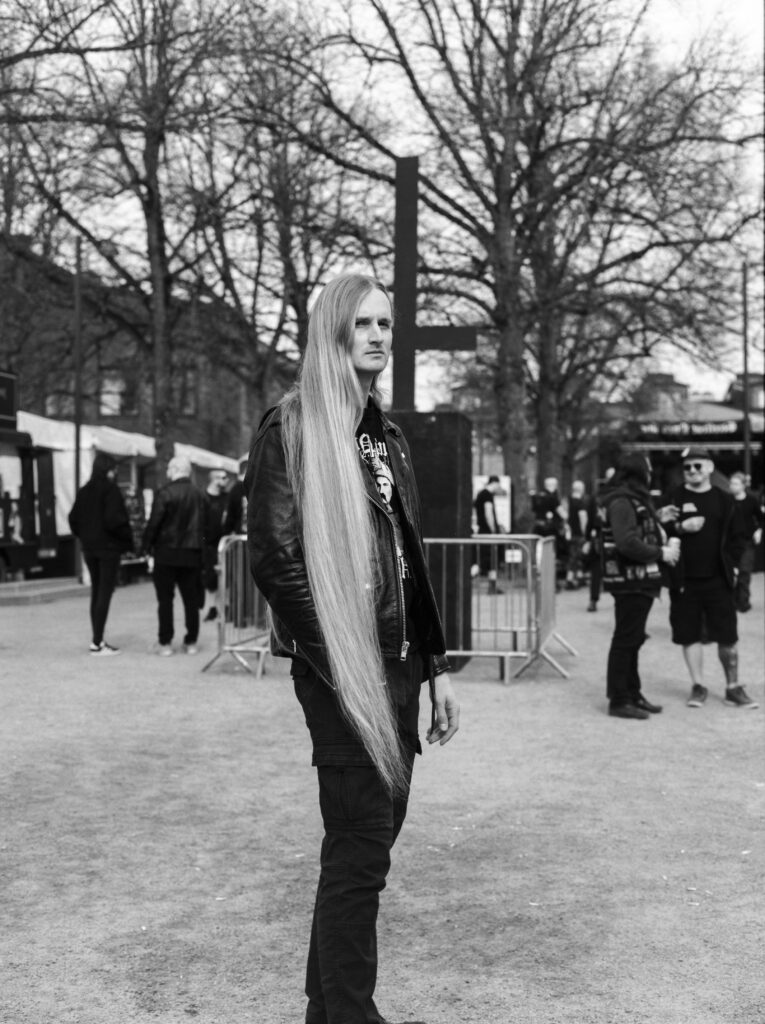
We begin the second chapter of my analogue Steelfest coverage, which I’ll split into two posts to showcase the medium format photographs.
What is medium format, you might ask? Medium format refers to photography that uses 60 mm wide film (120 or 220 film) or equivalent digital sensors. It sits between small format (35 mm) and large format, offering superior image quality with an exceptional level of detail.
The photographs you’re about to see were taken with a Mamiya 645 Pro TL, a modular system camera based on the original M645 from 1977. This particular version of the camera was released in 1997. I’ll admit that I’m a bit of a Mamiya nerd. I already own a couple of their cameras, and I certainly wouldn’t mind expanding the collection. Mamiyas are true workhorses, with models such as the RB67 and RZ67 designed primarily for studio photography, while the lighter and more compact 645 series became one of the finest wedding photography systems of its time. Today, medium format remains alive mainly in the high-end professional market, where the larger sensor delivers exceptional resolution. Hasselblad, Fujifilm and Phase One (the Danish company that collaborated with and eventually acquired Mamiya) are among the leading manufacturers, although I can assure you that you won’t see many of these cameras at a concert.
Back to analogue photography. One of the beauties of 120 film is that the image format changes depending on the camera. My Mamiya 645, for example, produces 15 exposures per roll in a 6×4.5 cm format. Other cameras, such as my Mamiya C330 Pro, produce twelve 6×6 cm exposures. 6×7 cameras give you ten exposures, while 6×9 cameras produce just eight. As you can see, it’s a format full of possibilities and different configurations, but they all have one thing in common: every single exposure costs money. Quite a lot of it.
The consequence is that using analogue medium format today without burning a hole in your pocket is difficult—not impossible—but it forces you to think before pressing the shutter. You have to ask yourself whether the photograph you’re about to take is really worth it. If the answer is yes, it pushes you to make sure there’s something on that negative that’s worth stopping to look at, even if only for a few seconds.
That’s why I recommend any photographer who’s become overly dependent on mirrorless cameras to buy a 35 mm film camera and practise with it. Having to think through every single frame is the exact opposite of the run-and-gun approach encouraged by modern mirrorless cameras, where you can fire off a dozen frames in a matter of seconds, pick your favourite and move on. Not only does that feel lazy to me, but it’s also incredibly boring.
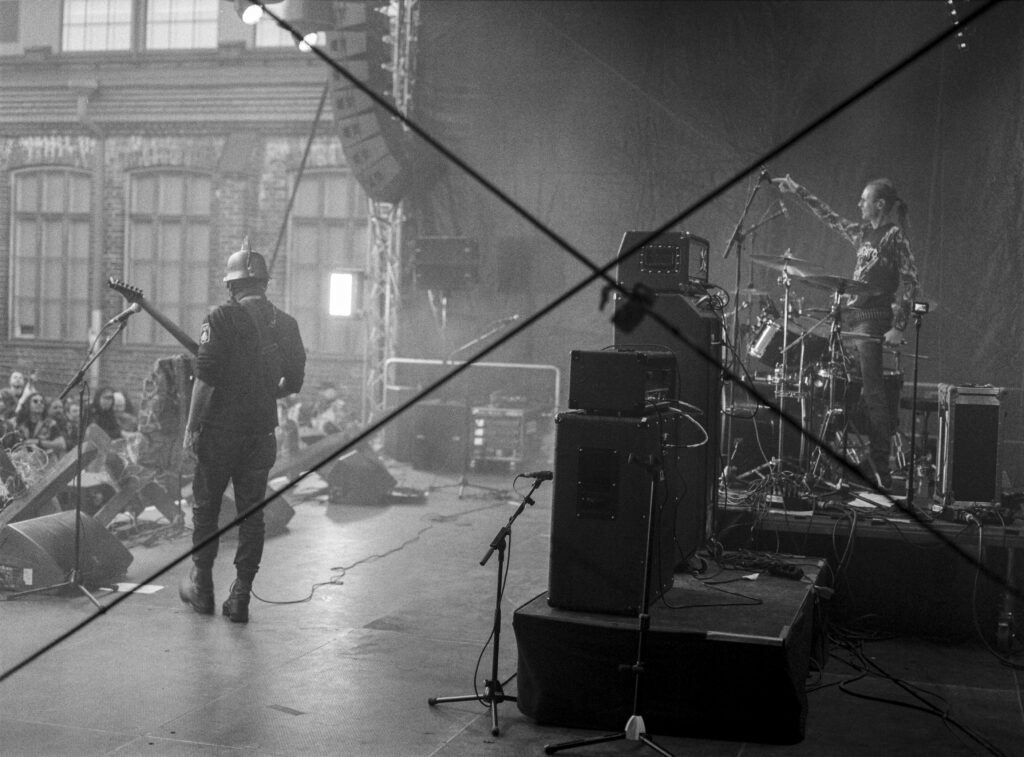
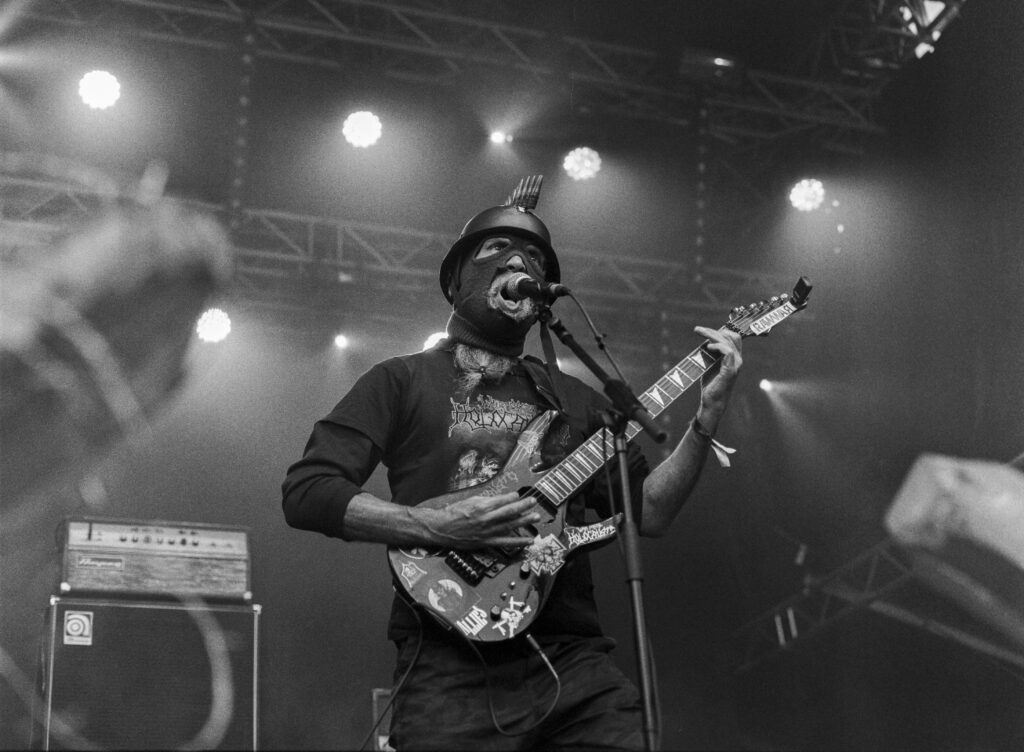
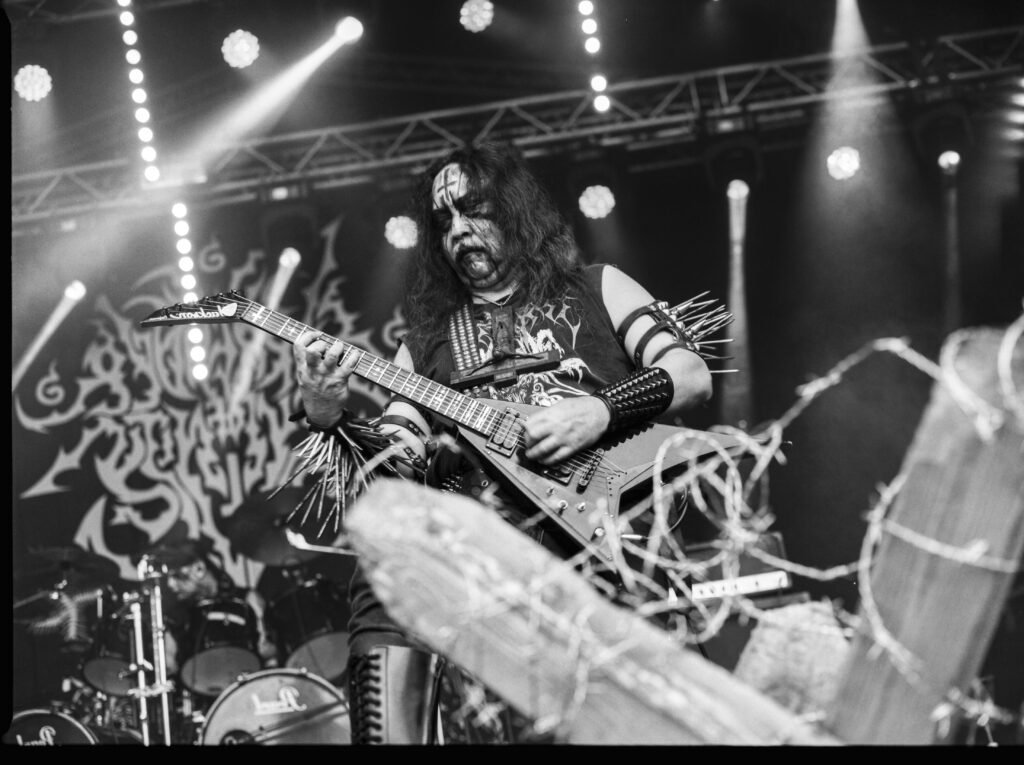
The first film used for this series was Ilford Delta 100. The company describes it as: “ISO 100, medium speed, exceptionally fine grain, black & white film. Ideal for uncompromising image makers who want to capture maximum detail and sharpness.”
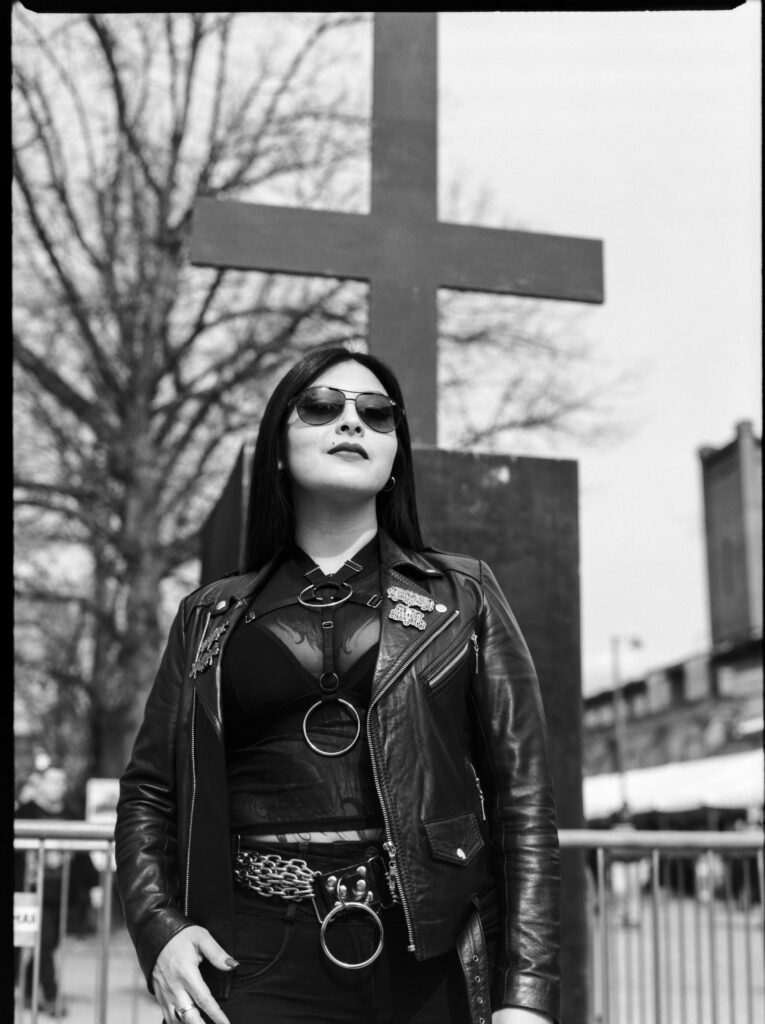
For me, in medium format, it’s an absolute joy to use, offering an almost perfect balance between sharpness, detail and contrast. I’m extremely happy with the results, especially because the lighting conditions were ideal for getting the very best out of this emulsion.
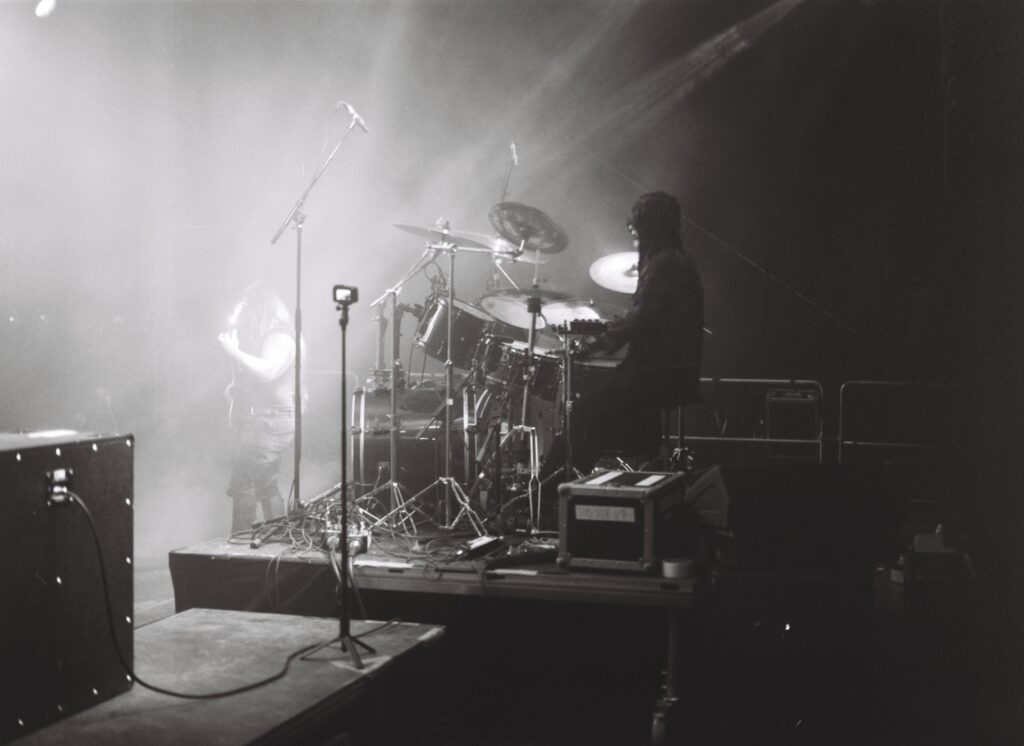
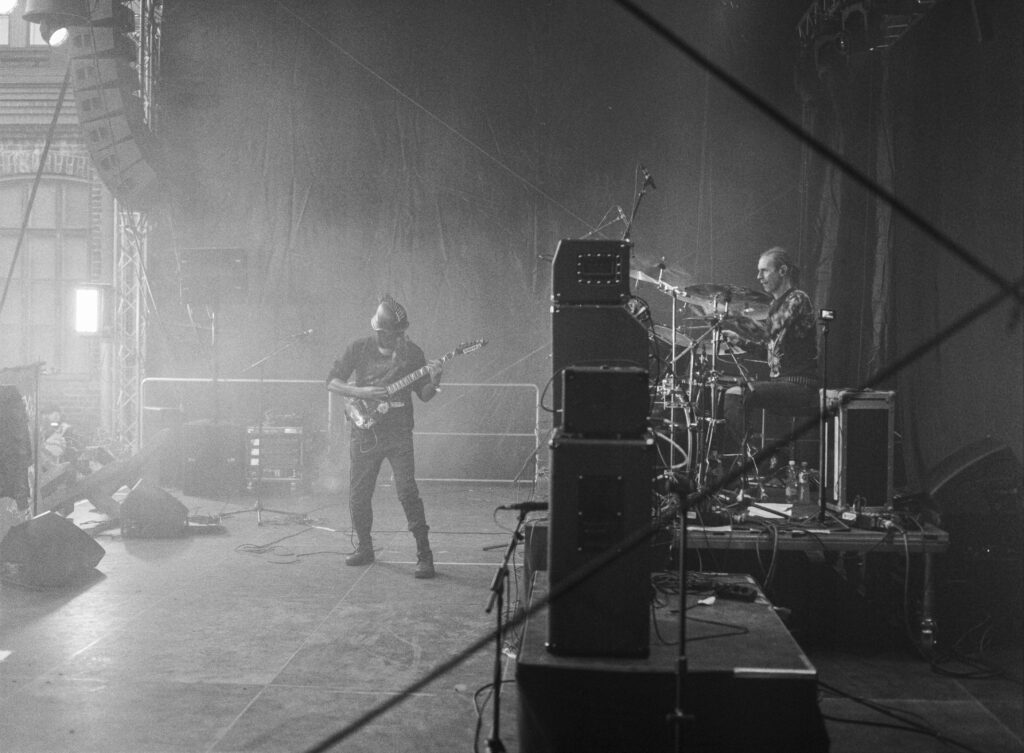
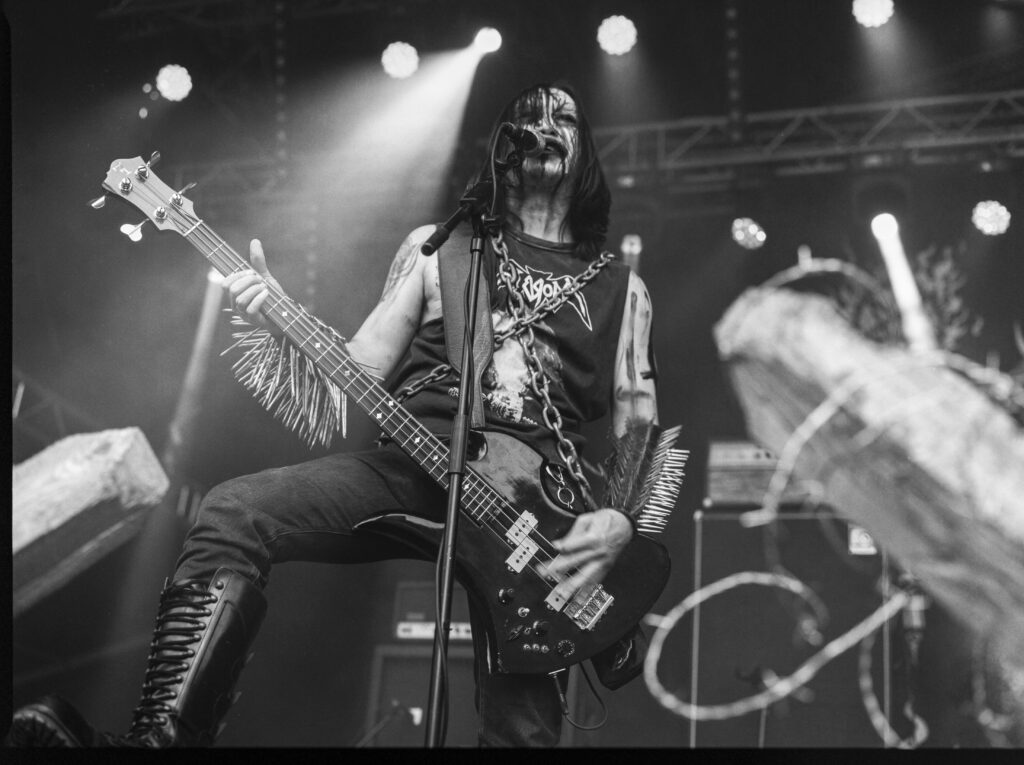
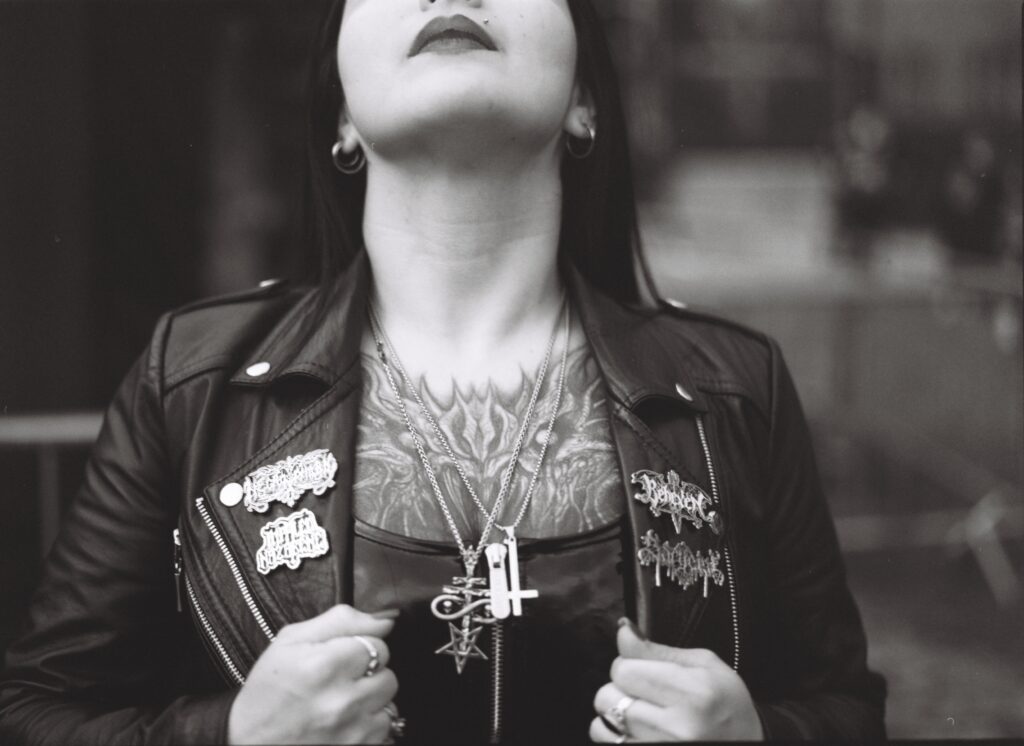
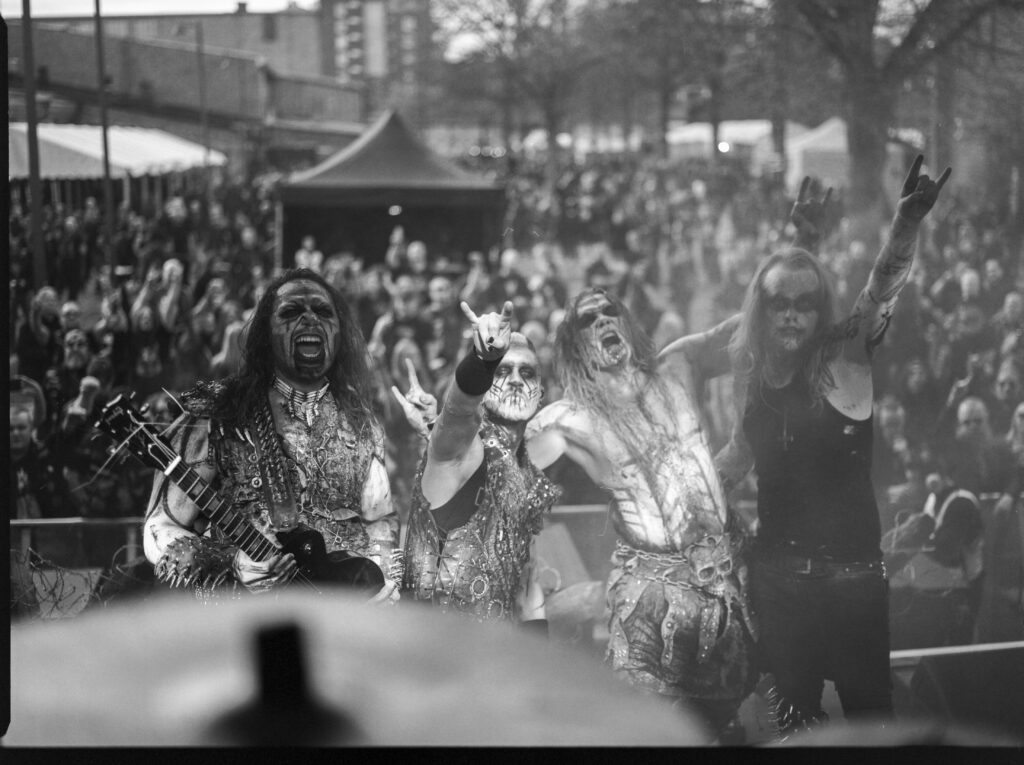
The second film used in this series was Ilford HP5 Plus 400, a faster emulsion better suited to photographing movement under changing light conditions. In return, it delivers medium contrast and fine grain, provided the exposure is right. As always with black and white photography, the general rule is to expose for the shadows and develop for the highlights.
Steelfest also seems to have more merchandise stands every year, with an increasingly international presence, alongside other stalls that go beyond the traditional merch of clothing, CDs or vinyl records.
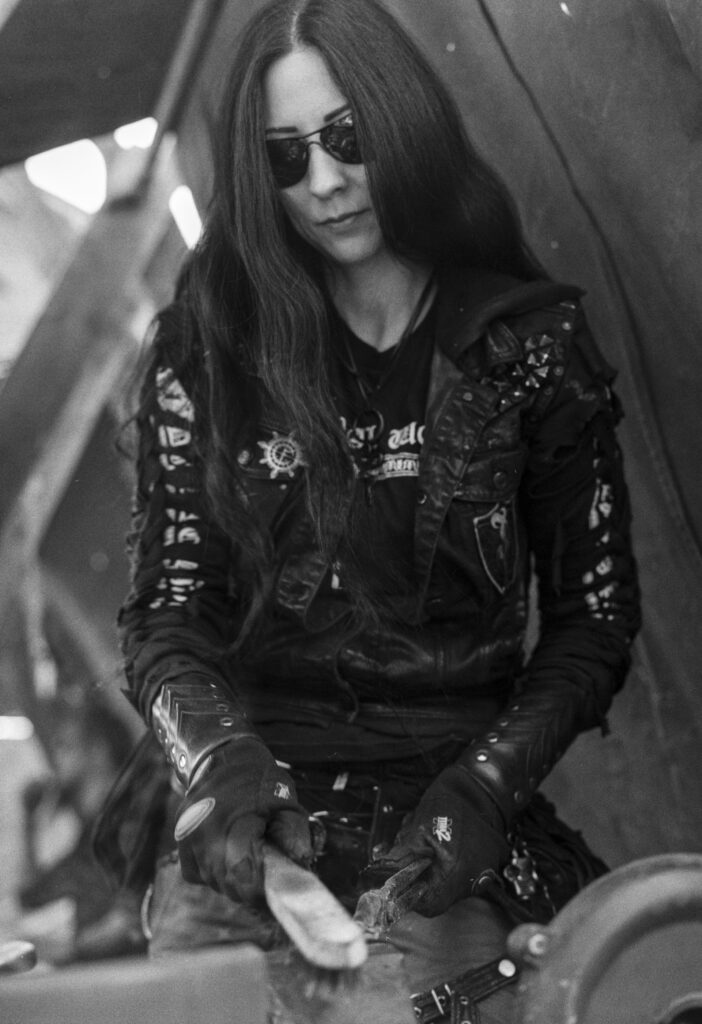
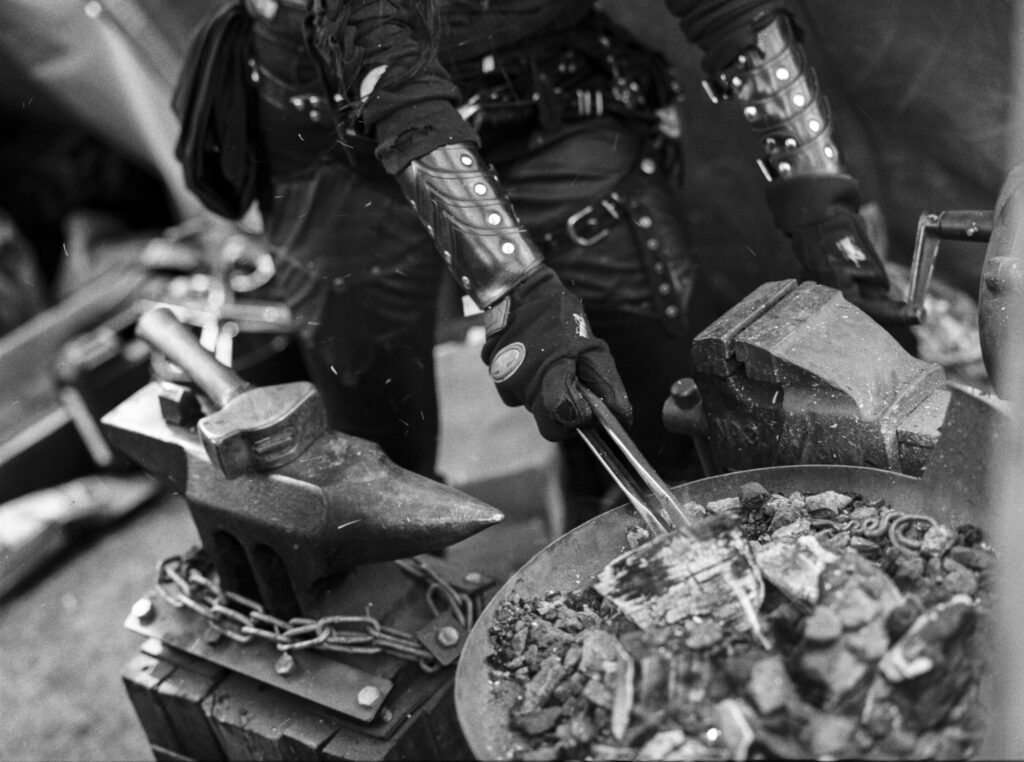
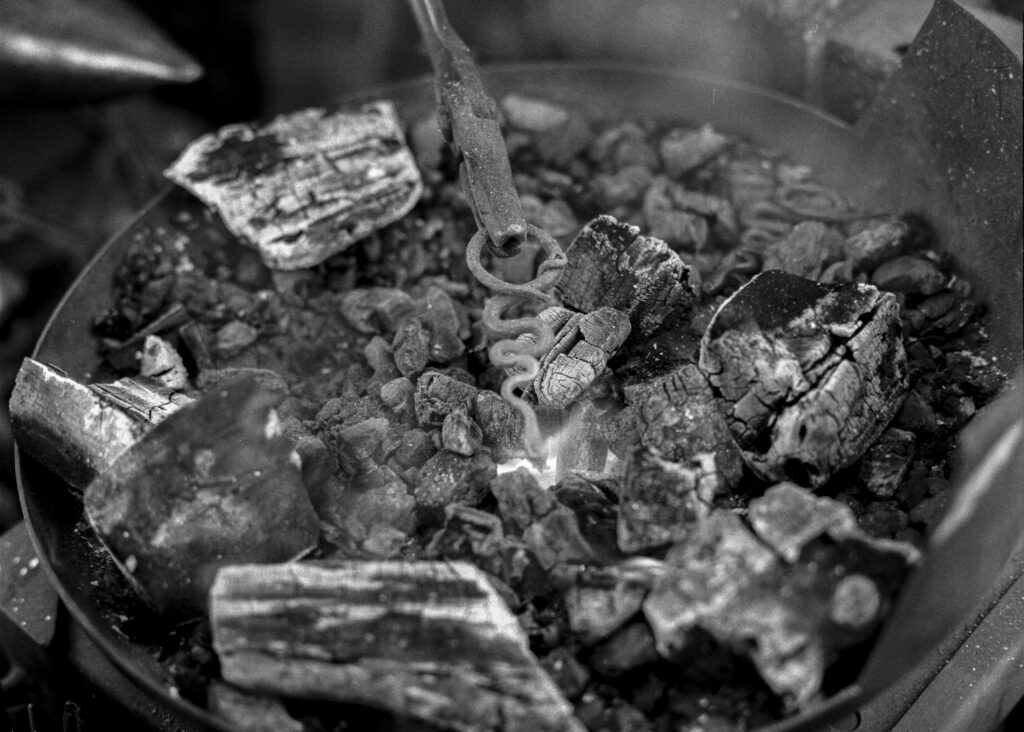
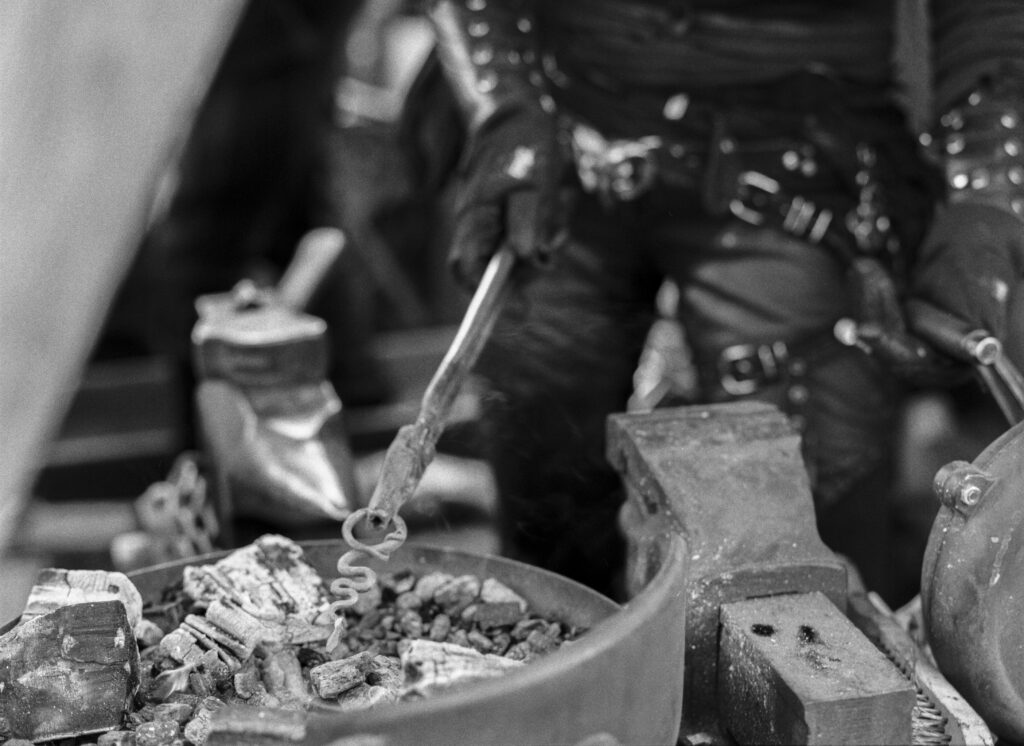
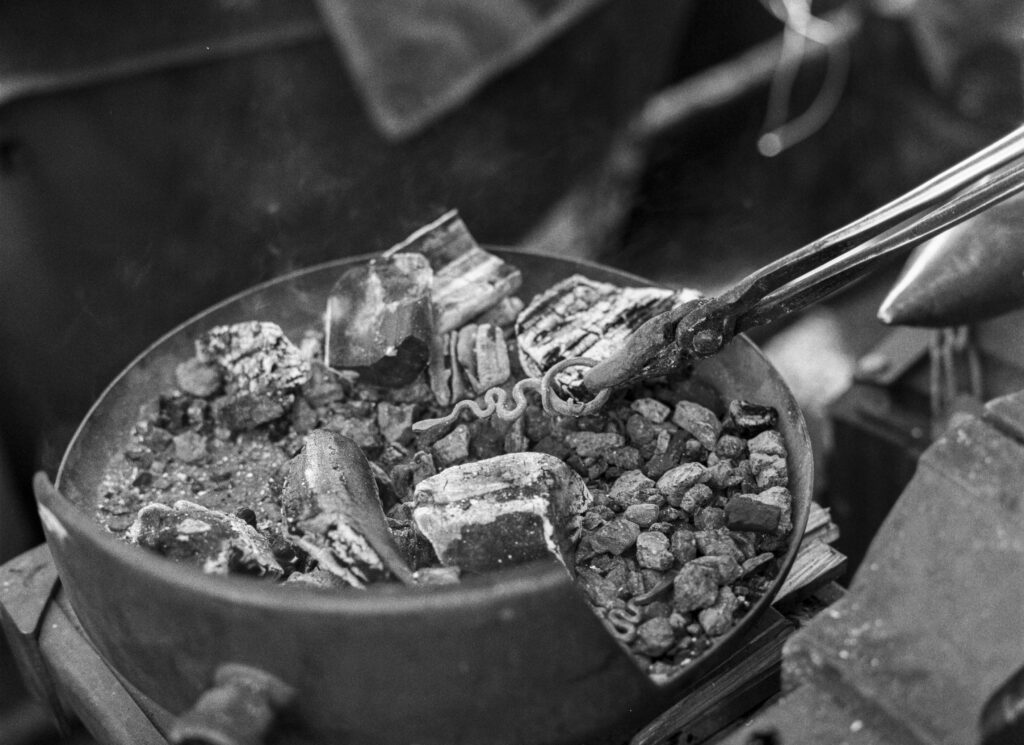
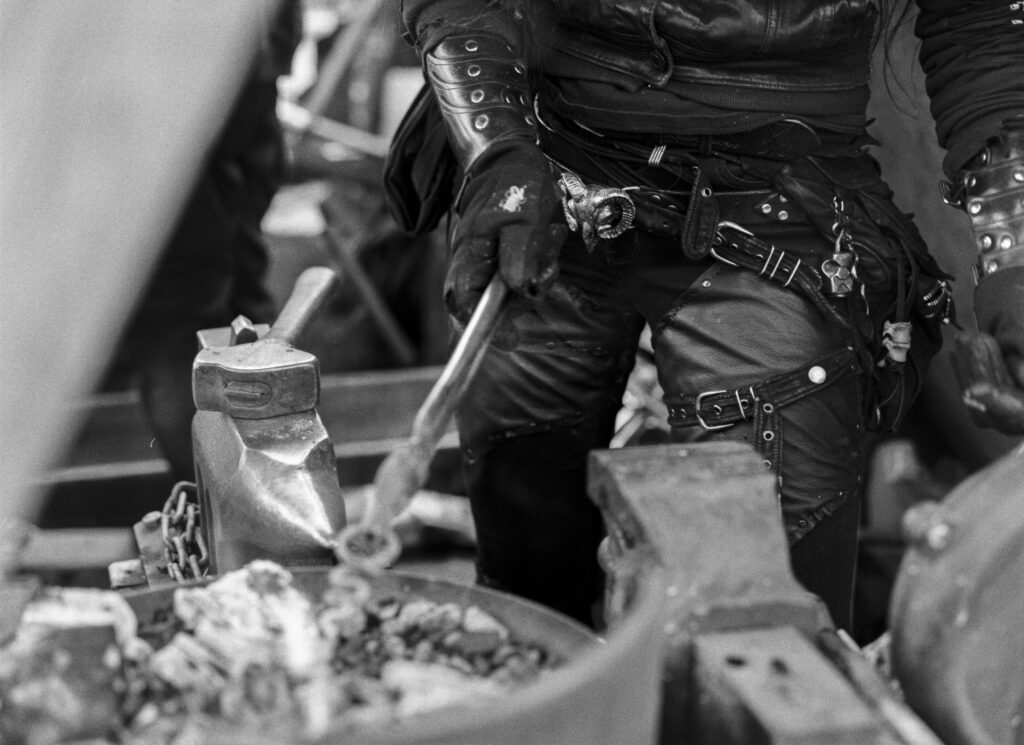
One of the things that fascinates me the most is watching a blacksmith’s forge in action.
I’ve always admired this kind of craftsmanship for keeping ancient traditions alive—traditions that have almost no place in today’s world of injection-moulded plastic and mass-produced, low-cost products with neither soul nor personality.
Just thinking about the time it takes to learn, master and eventually excel at a craft like this makes it clear that the people who dedicate themselves to it have a complete devotion to their art, their trade and craftsmanship. Knowing how the world works today, I can only assume it’s almost impossible to make a living from it, at least during the first few years, which I imagine must feel like crossing a desert, forcing them to combine it with a paid job simply to make ends meet.
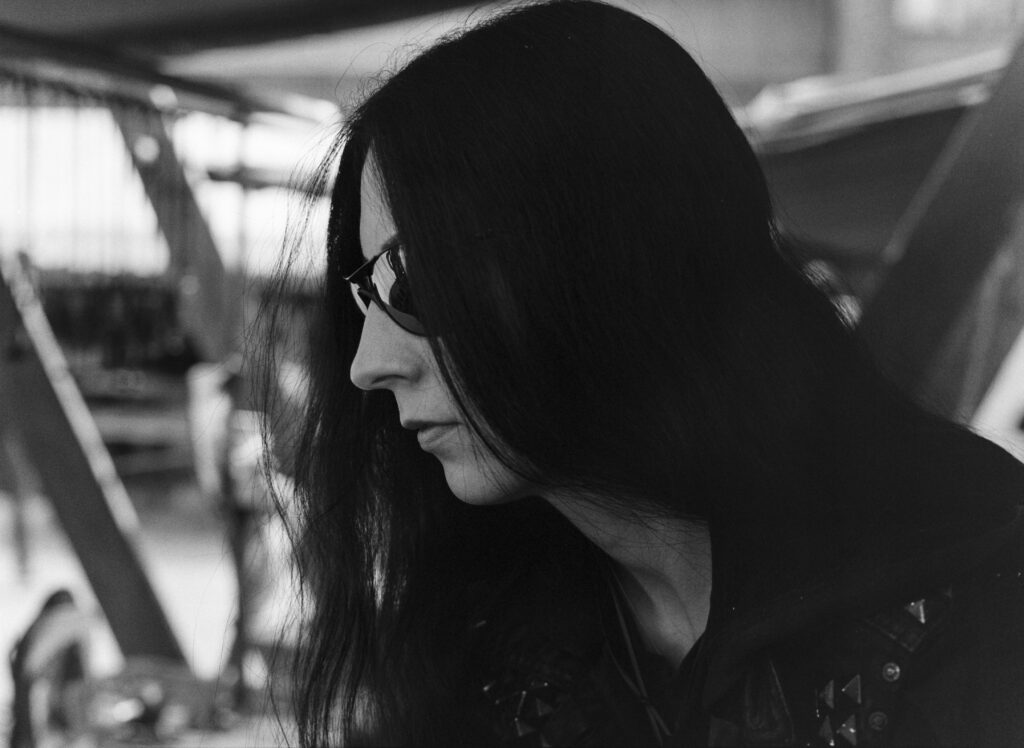
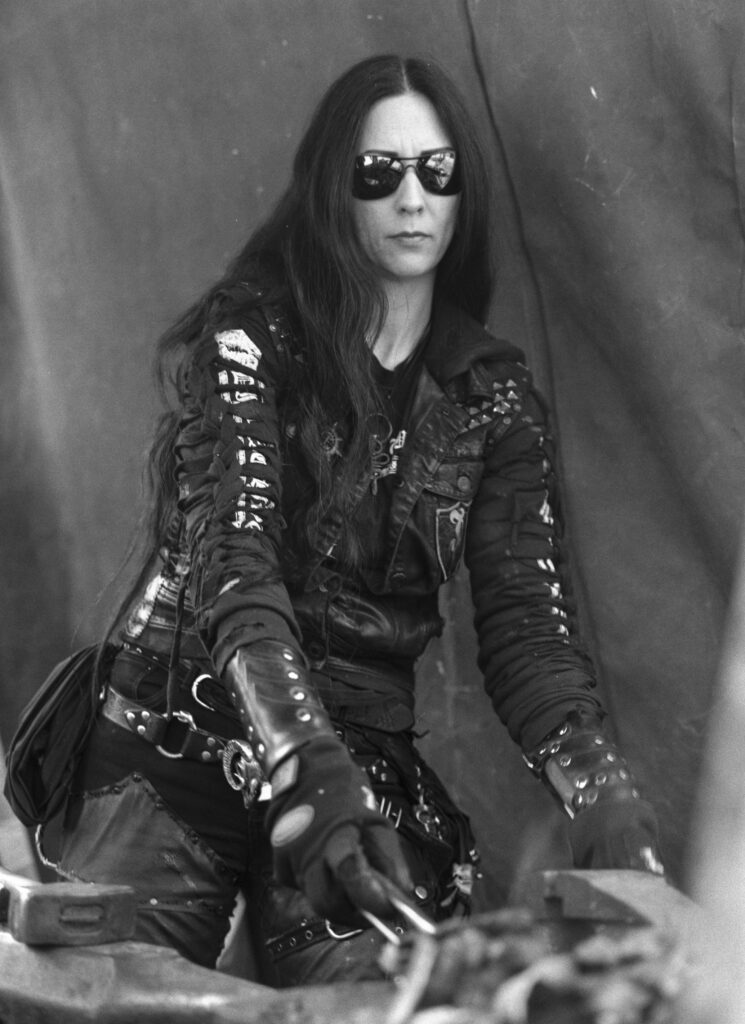
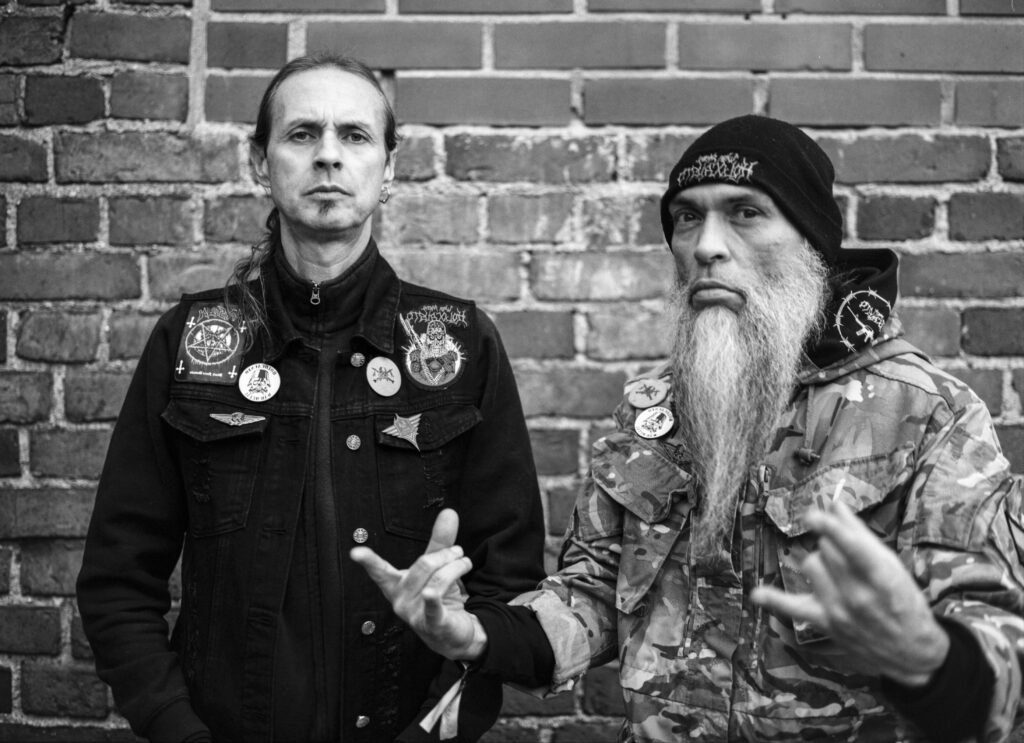
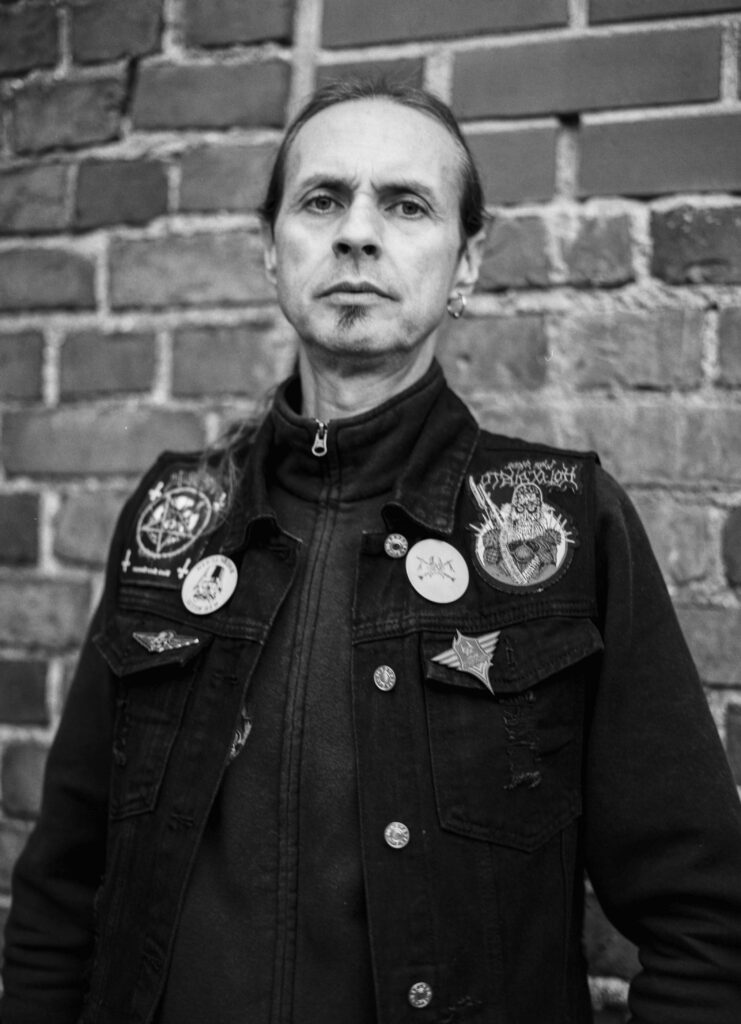
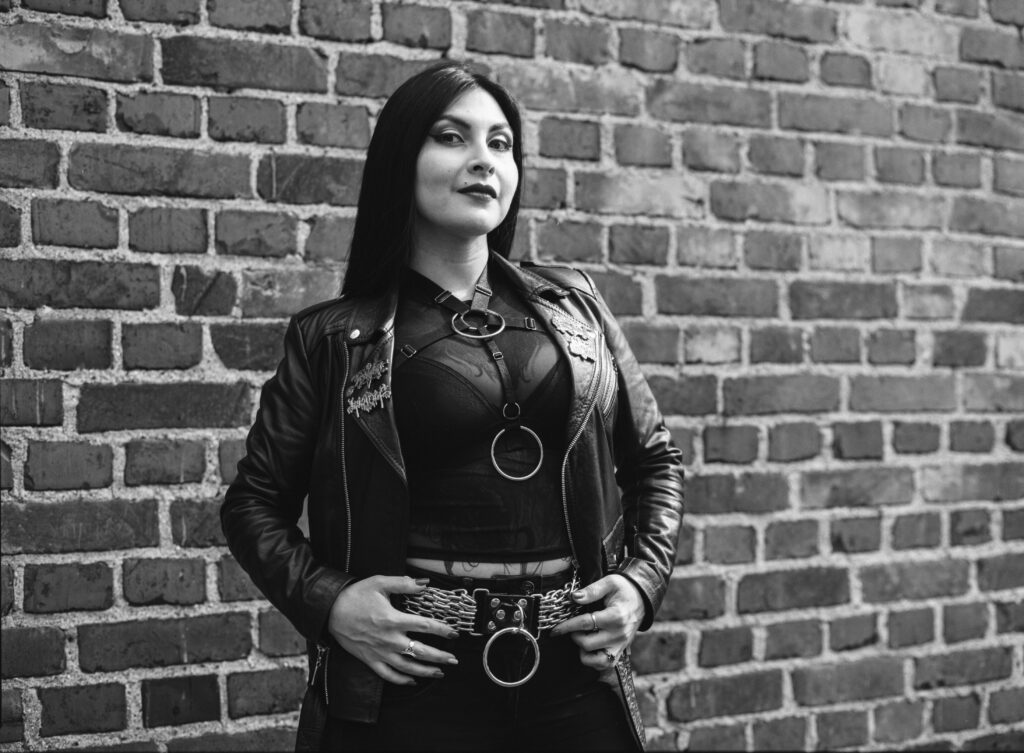
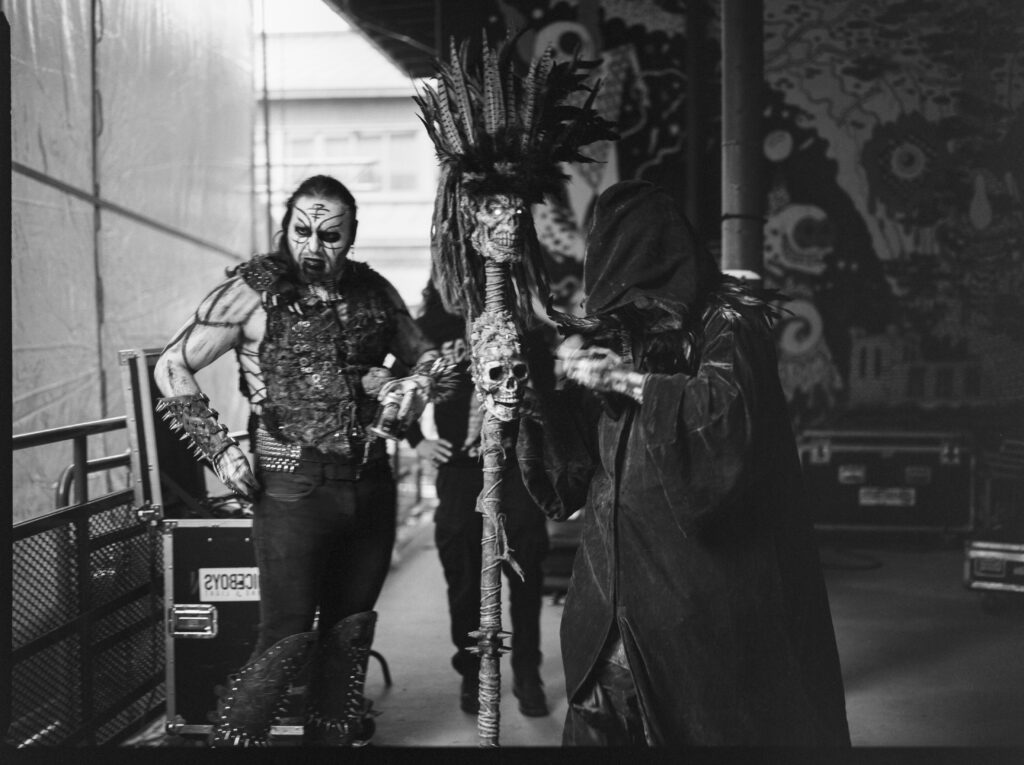
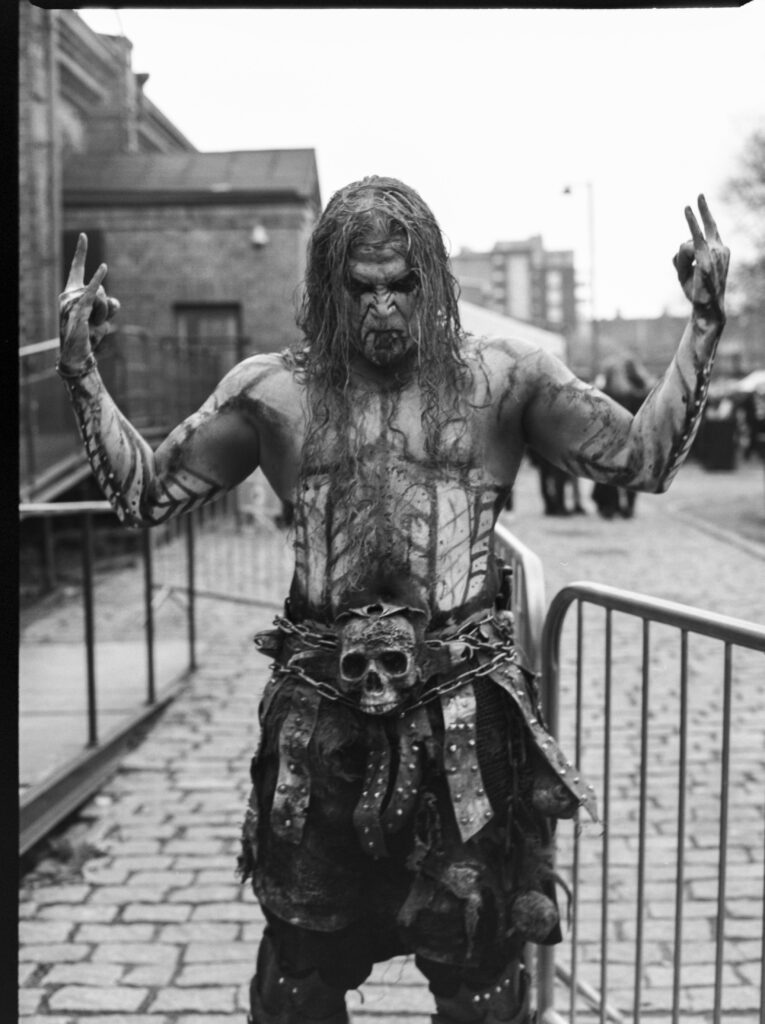
With that in mind, I got in touch with Black Metal Forge, whose work you can see in the following photographs and I asked to describe what is Black Metal Forge about, and I found it quite interesting, from the roots in the US to relocating to Finland:
I’m originally from Ashland Township, Michigan, and now live in the small village of Vaskivesi, Finland. I started welding when I was just 14 years old, and over the years my work has taken me into some very different worlds. I first welded systems for Ford trucks before moving into military aviation, working on fighter jet engine parts for the F-18, F-22 and F-35, as well as burner cans for B-52 bombers.
About ten years into my welding career, I found my way into blacksmithing. It started as a way to forge my own pieces and bring them into my personal welding work, but over time it became a craft of its own and an increasingly important part of who I am.
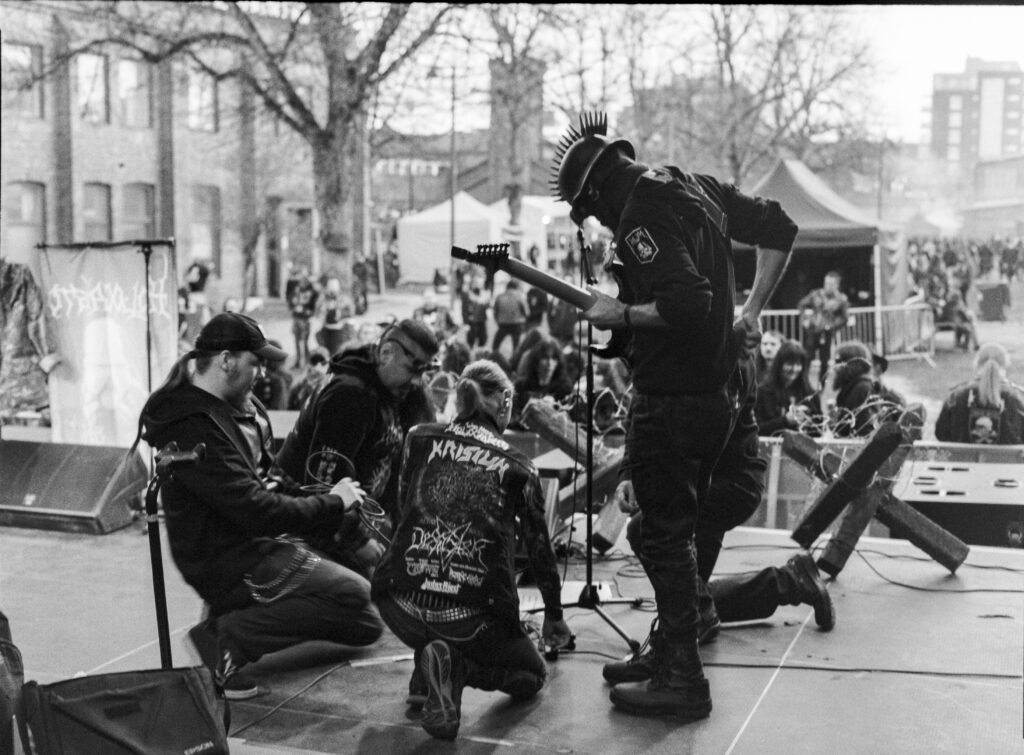
I moved to Finland in 2021, where I have since welded machinery used in geothermal drilling. Today, I’m taking the next step in my journey by pursuing an official degree in blacksmithing and continuing to develop a craft I have already spent years exploring through my own work. Music is another important part of my life. I have the privilege of being both the guitarist and blacksmith for the band Famulus ab Satanas, creating forged work for the band while also being part of its music.
For me, welding, blacksmithing and music have always belonged together. They are different forms of the same thing: working with your hands, creating something from nothing, and leaving a part of yourself in what you make.
If you need proper stage gear for your Black Metal band, dont hesitate to contact at hellwindrituals@gmail.com



0 Comments