
I return, once again, to one of the places in space and time that I value most in the world—a place where I experience that familiar split, where the leaden weight of everyday reality disappears for three days.Three days of mental escape. Three days of reconnecting with friends I’ve met over nearly ten years of this annual pilgrimage. Three days to simply have a fucking good time, because we’ve only got one life and we’d better make the most of it.
This little place called Hyvinkää, Finland, has rightfully become an important part of my life. A state of mind. After all, I’ve spent almost a quarter of my life travelling to Steelfest every single year. Although this year came with a small setback involving the audio recorder for my camera, which rendered almost all of the videos practically unusable from an audio standpoint. It’s been incredibly frustrating because I genuinely think the footage itself turned out quite well, especially considering I’m not a professional and I push that camera to its absolute limits.
I’d like to say that’s the reason I’ve been so late publishing all of this, but honestly, I’ve got nothing to hide, and I can use my own website to vent a little: I’m fucking fed up. I’m tired of never having enough hours in the day to do all the things I want to do, and if I’m being honest, none of them are particularly important. I guess it’s the logical outcome of an entire decade passing by. Daily life keeps moving forward, routine slowly takes over, and the little free time you have gets swallowed whole. And to be honest, after all these years managing social media and watching it evolve, everything has simply become worse. We’re prisoners to the algorithm. Immediacy reigns supreme, yet somehow everything is already too late—old news. Content is consumed and forgotten instantly as people rush toward the next new experience, the next new thing or the next new drama. Music albums, videos or pics are already outdate at the moment of release. You can count me out of this new era of psychopatic digital consumerism.
I don’t need the stress or the anxiety that social media platforms artificially manufacture just to keep their business models afloat. Maybe that’s why I’ve been drifting further and further away from the digital world and taking refuge in the analogue one. Because, frankly, it pisses me off that nowadays you even need an app just to unlock a car.
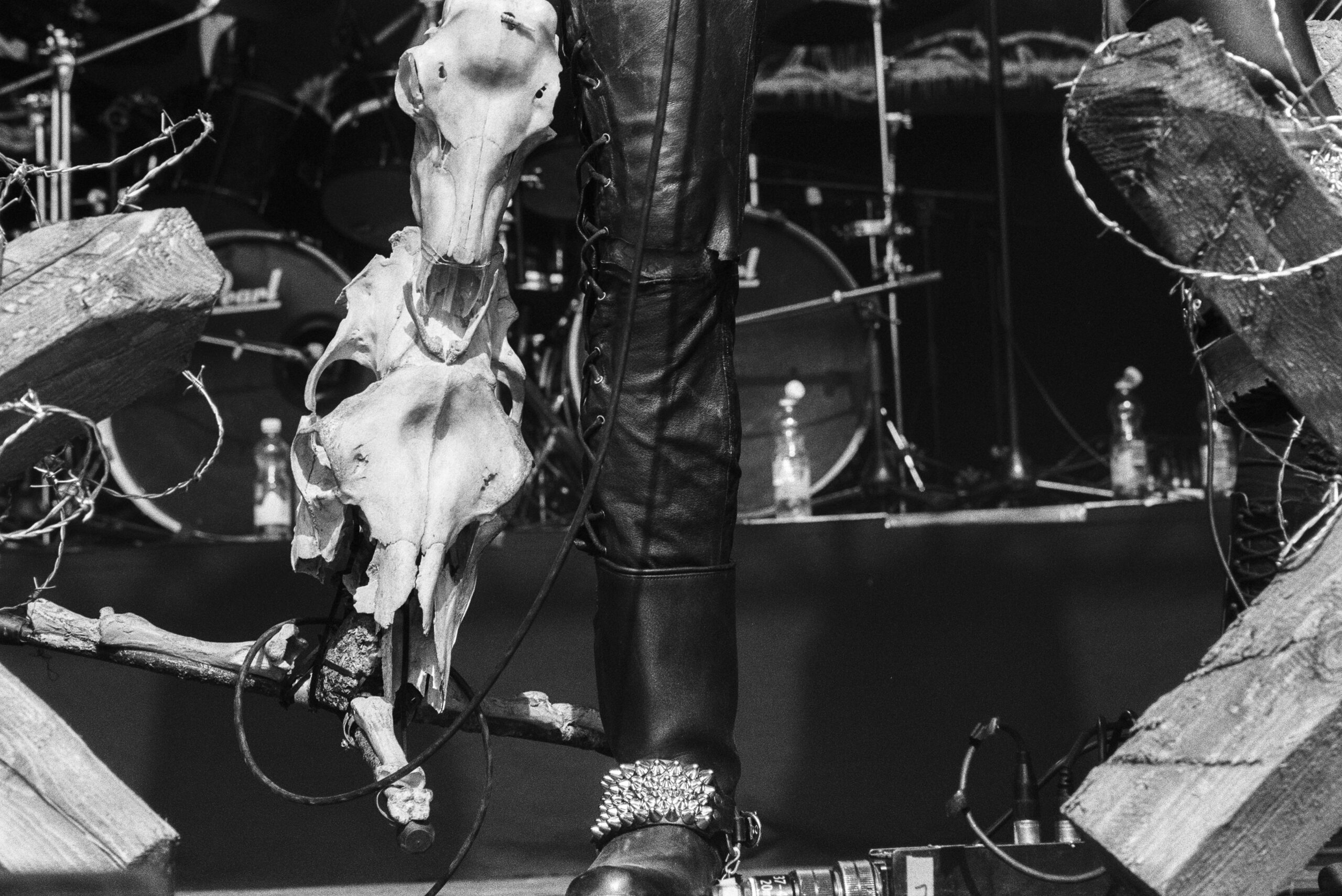
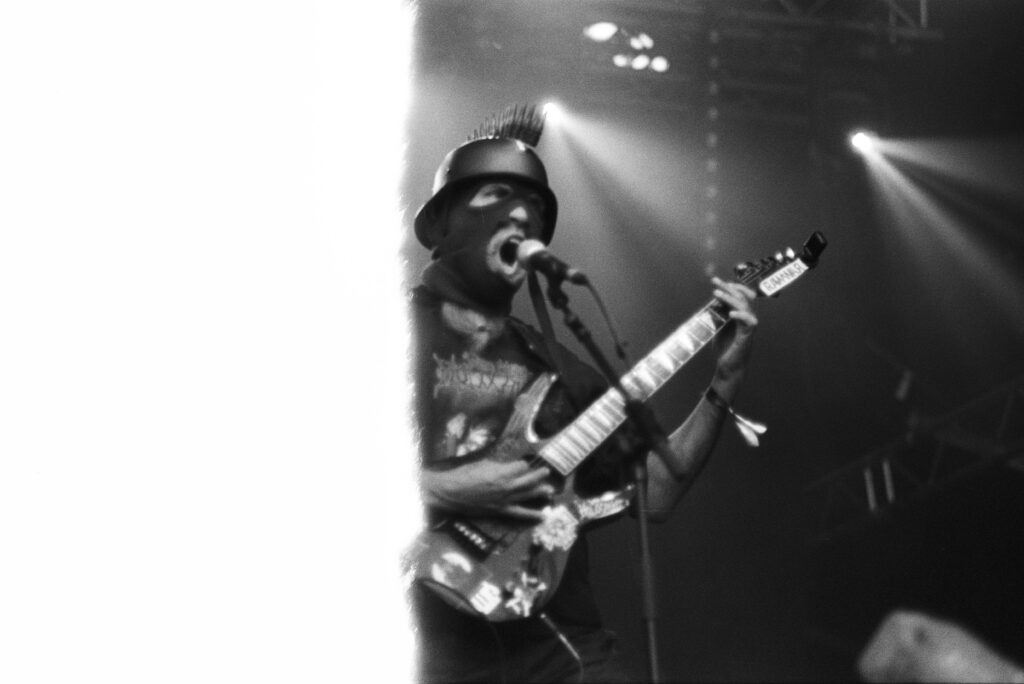
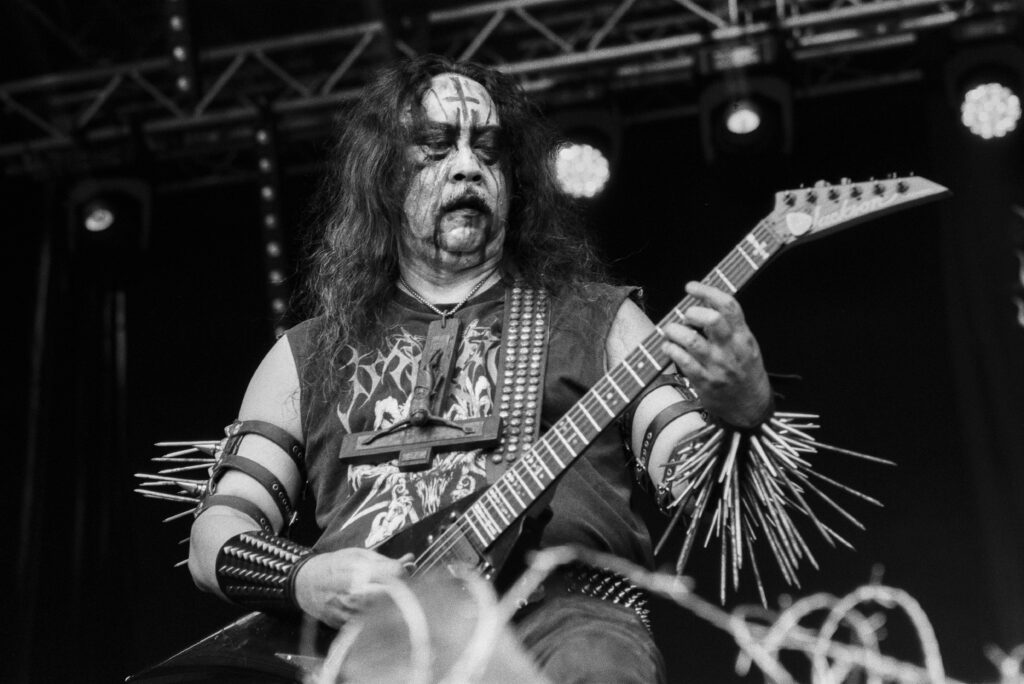
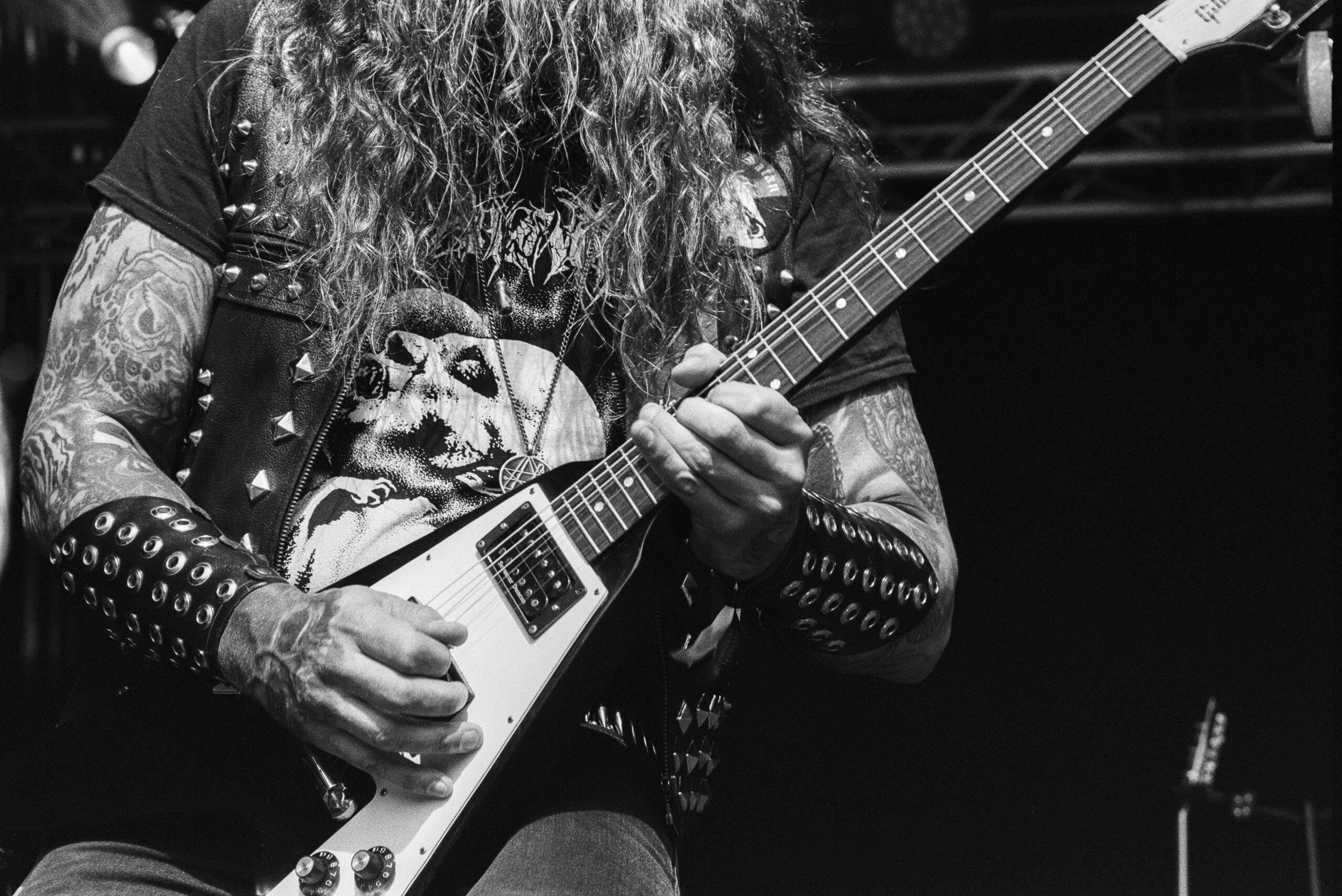
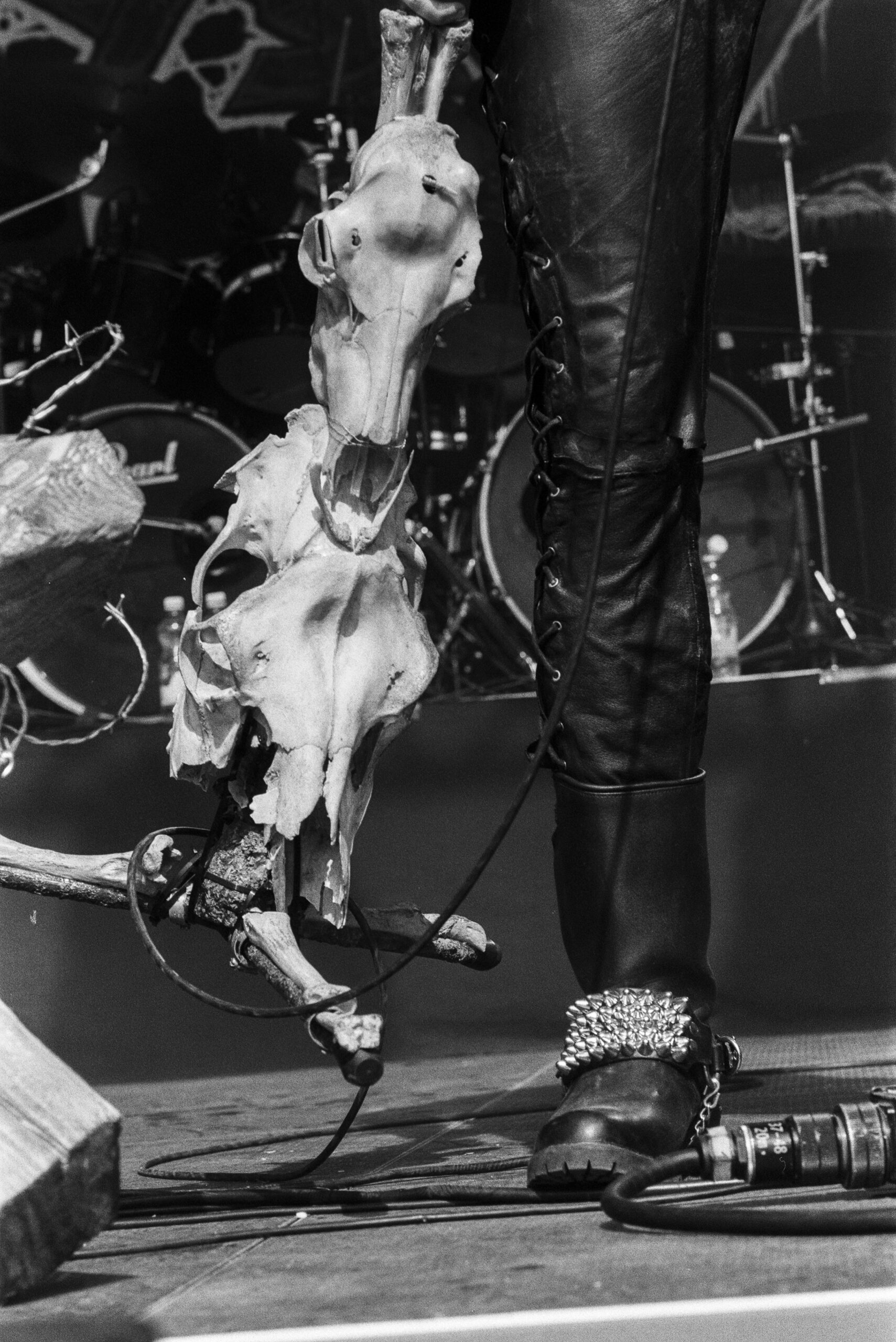
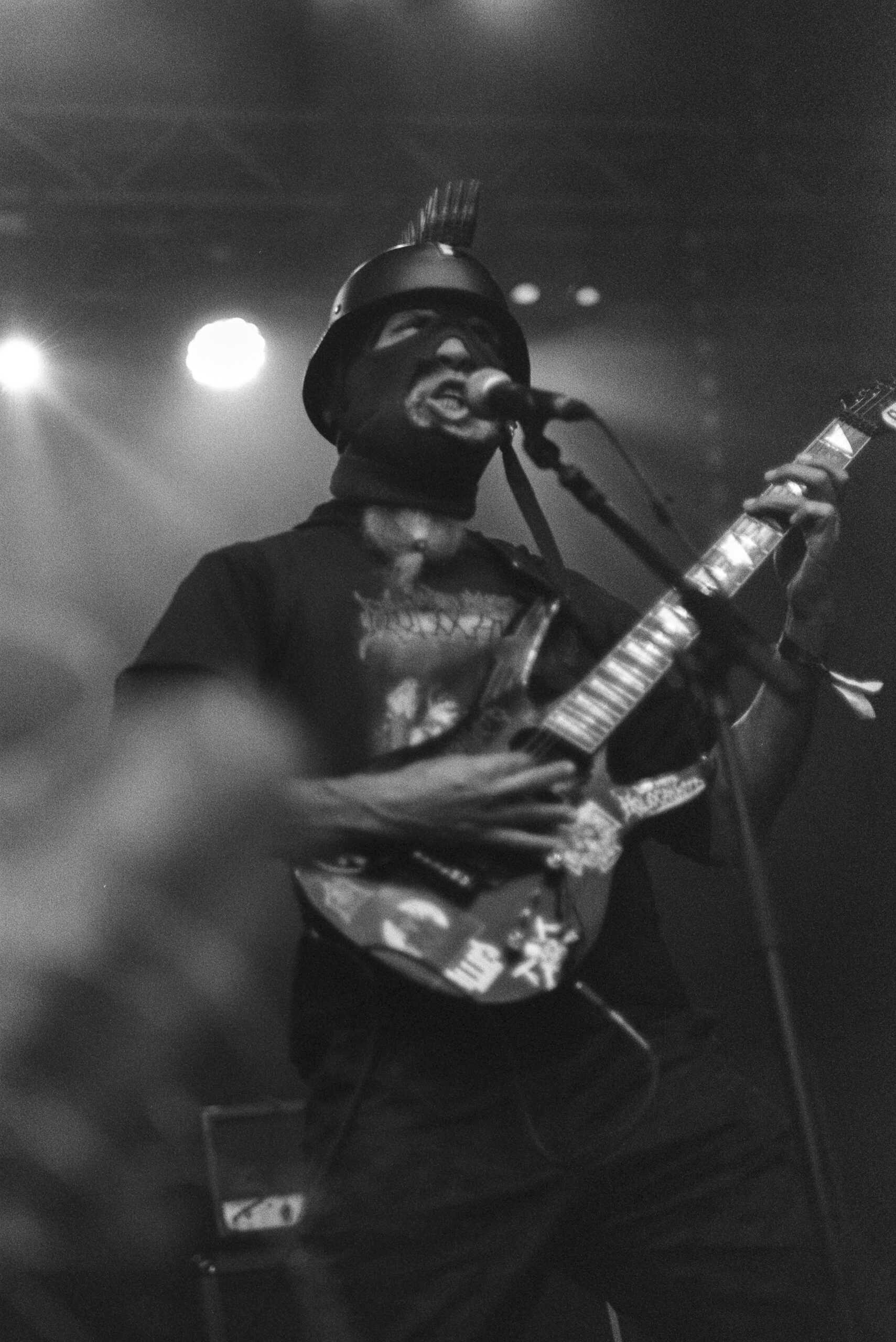
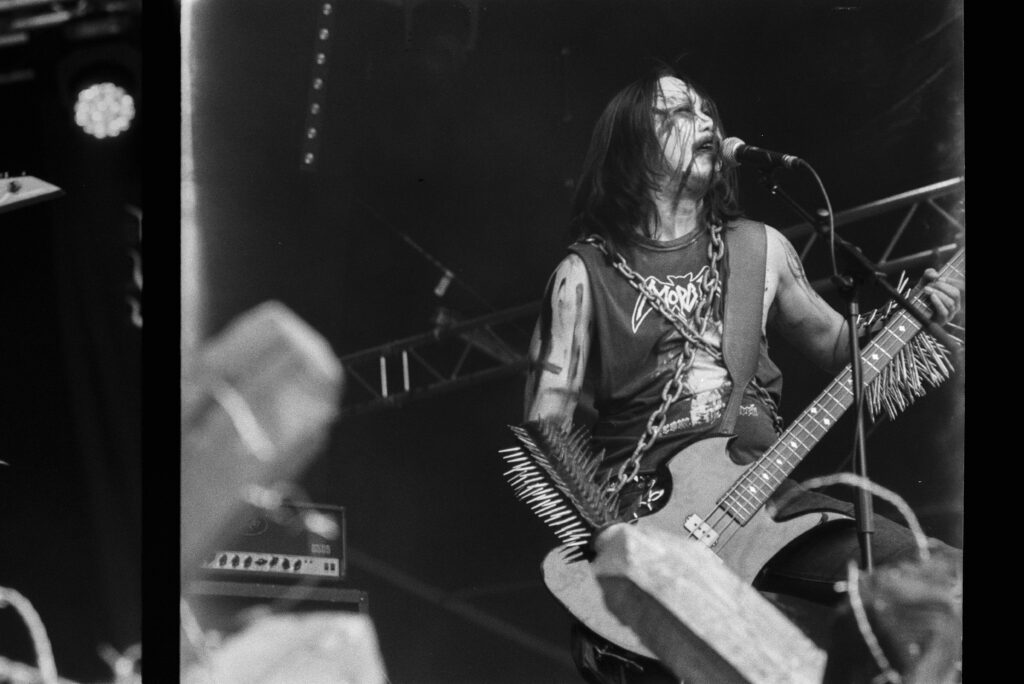
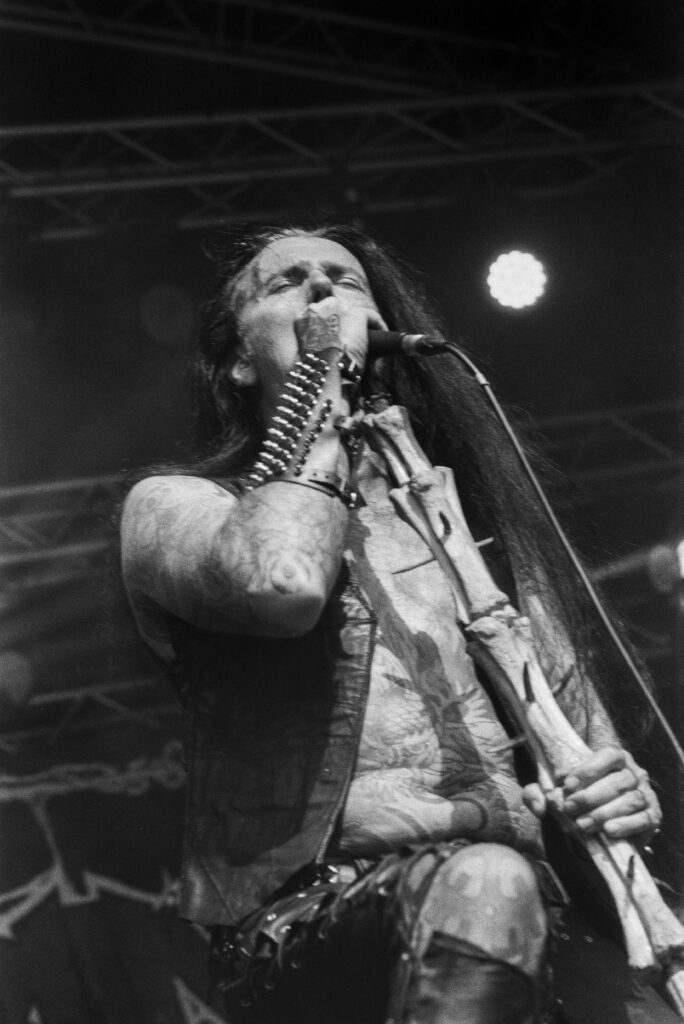
Right, enough of the old man yelling at clouds routine. On top of that, I came here with a different plan than in previous years. I didn’t really want to take photos of the bands—or at least not nearly as many as I usually do.
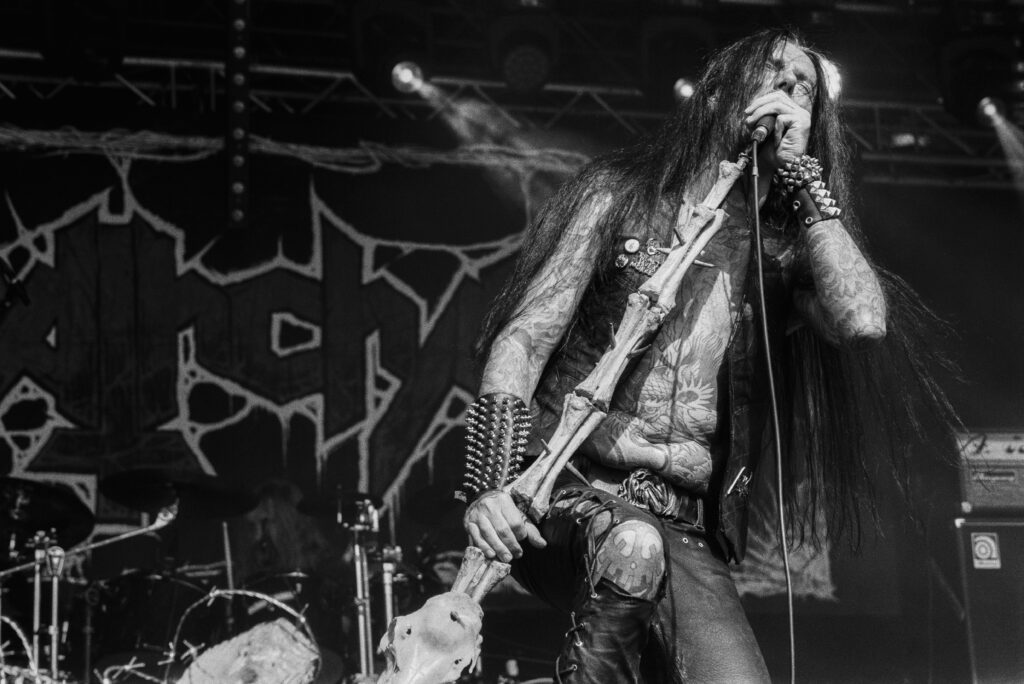
Everyone does that. And after a while it all starts to feel repetitive: more of the same. One photographer throws a sepia filter on it, another goes for purple tones, someone else converts everything to black and white, but in the end they’re often just different versions of the same photograph.
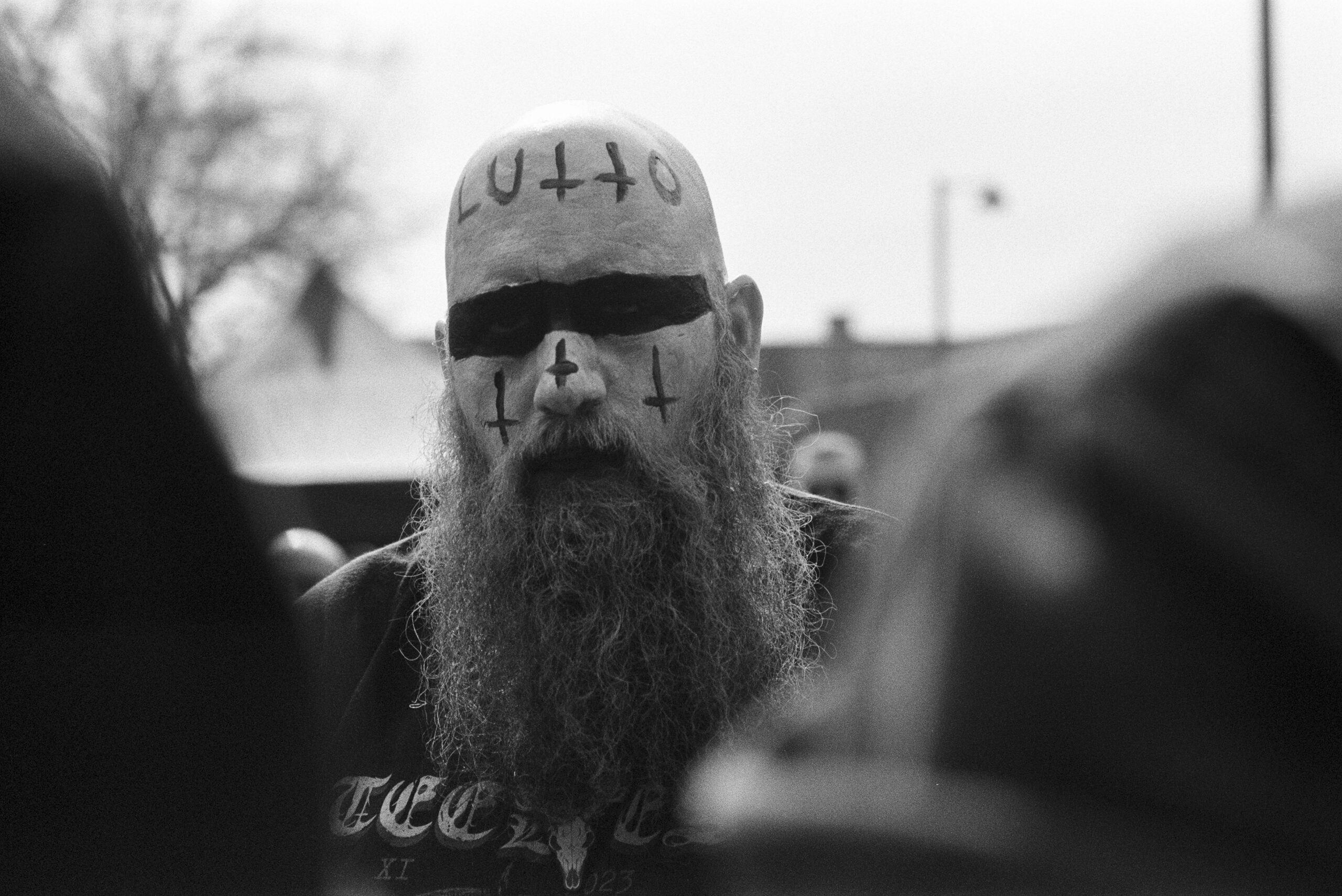
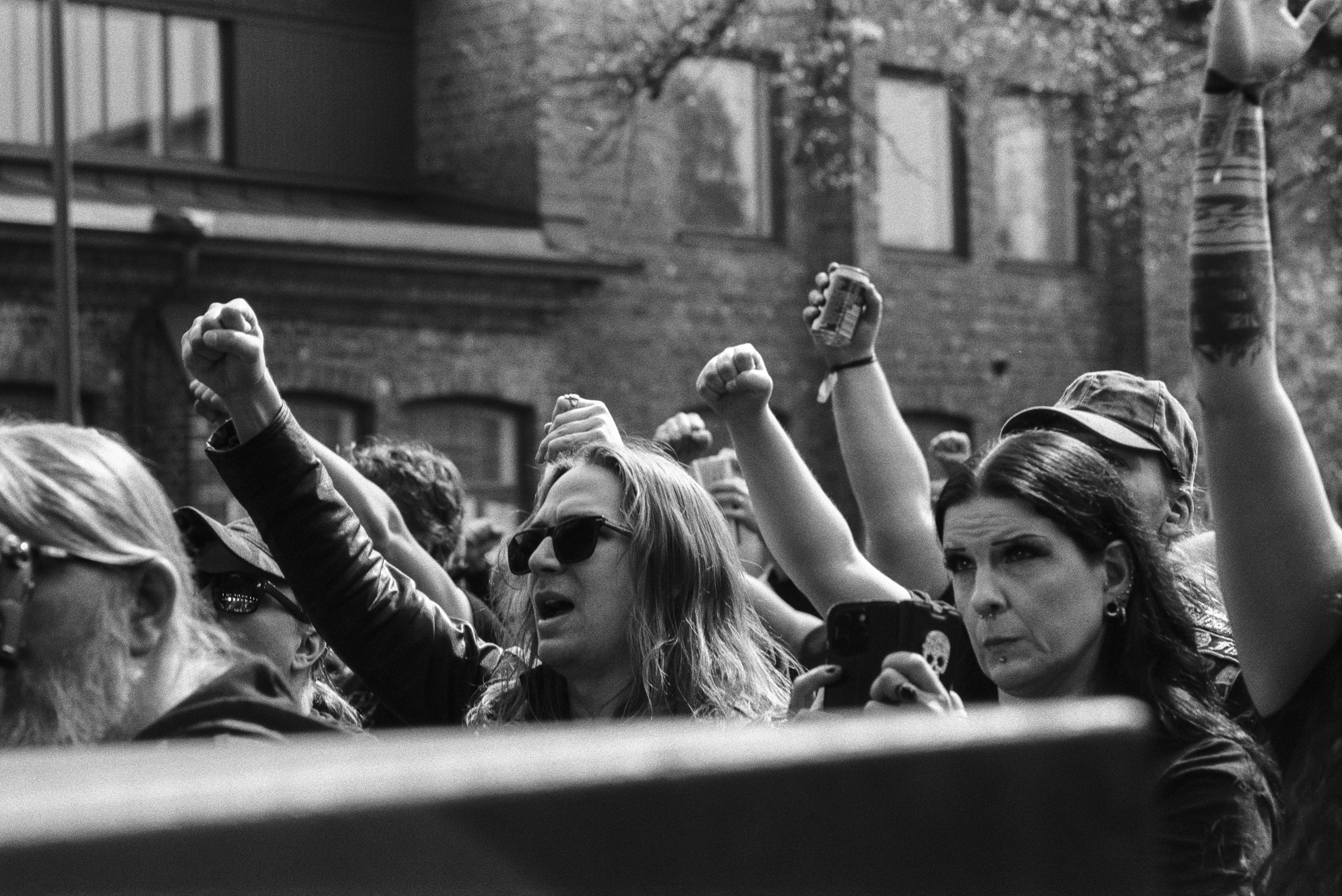
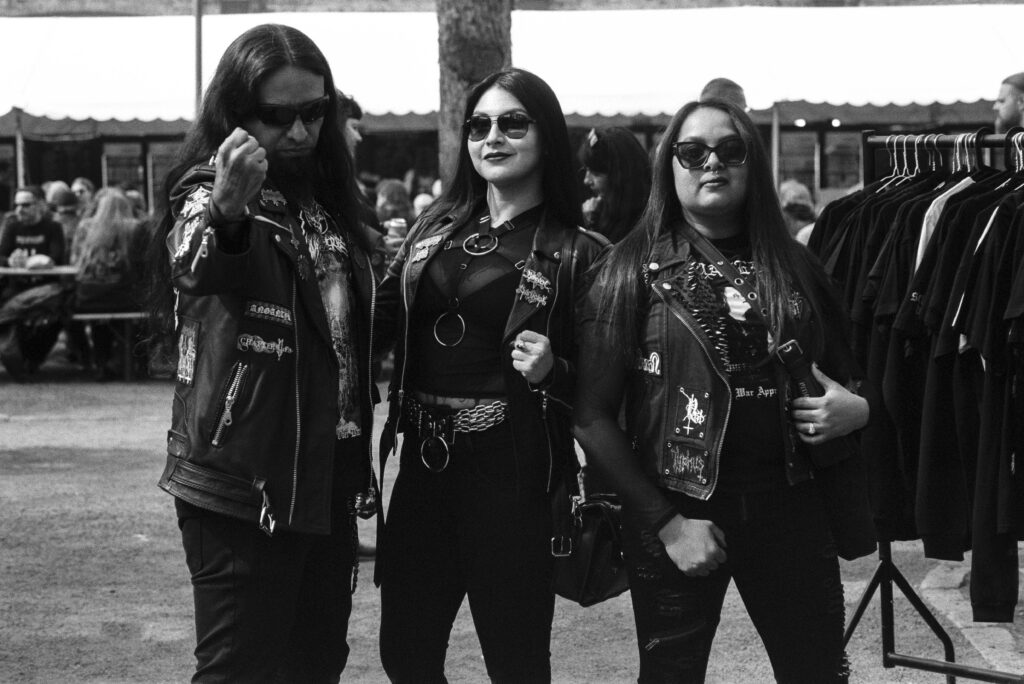
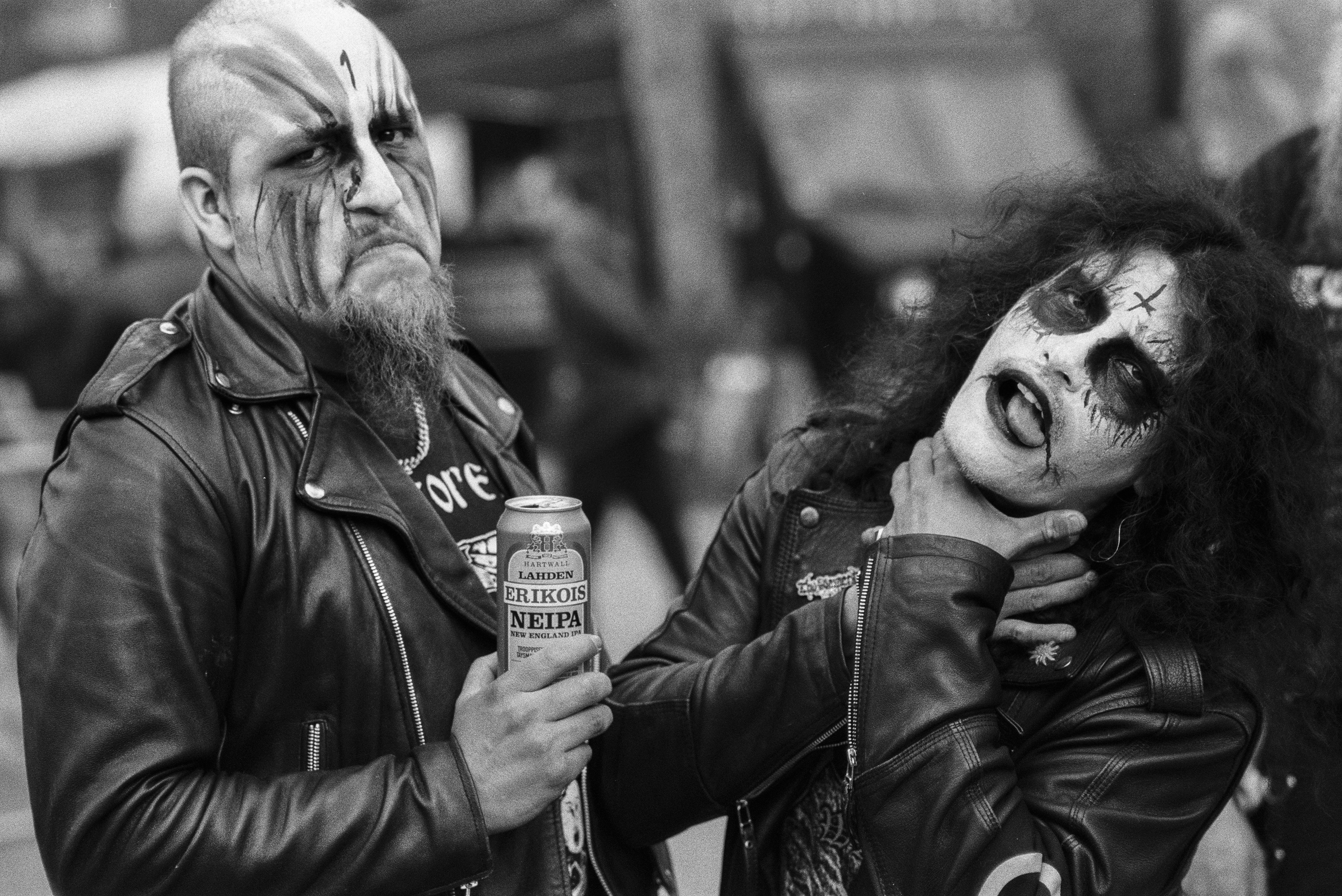
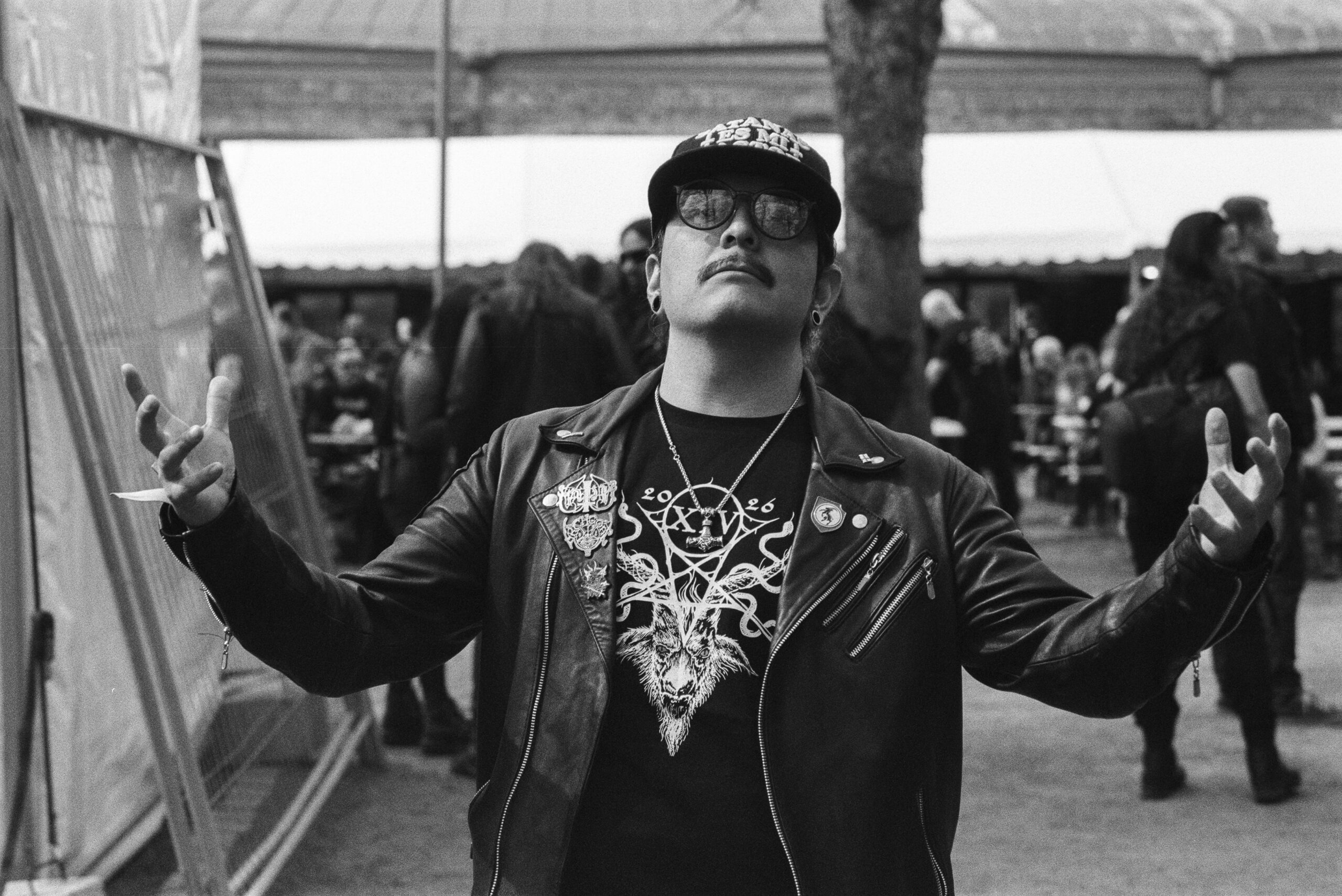
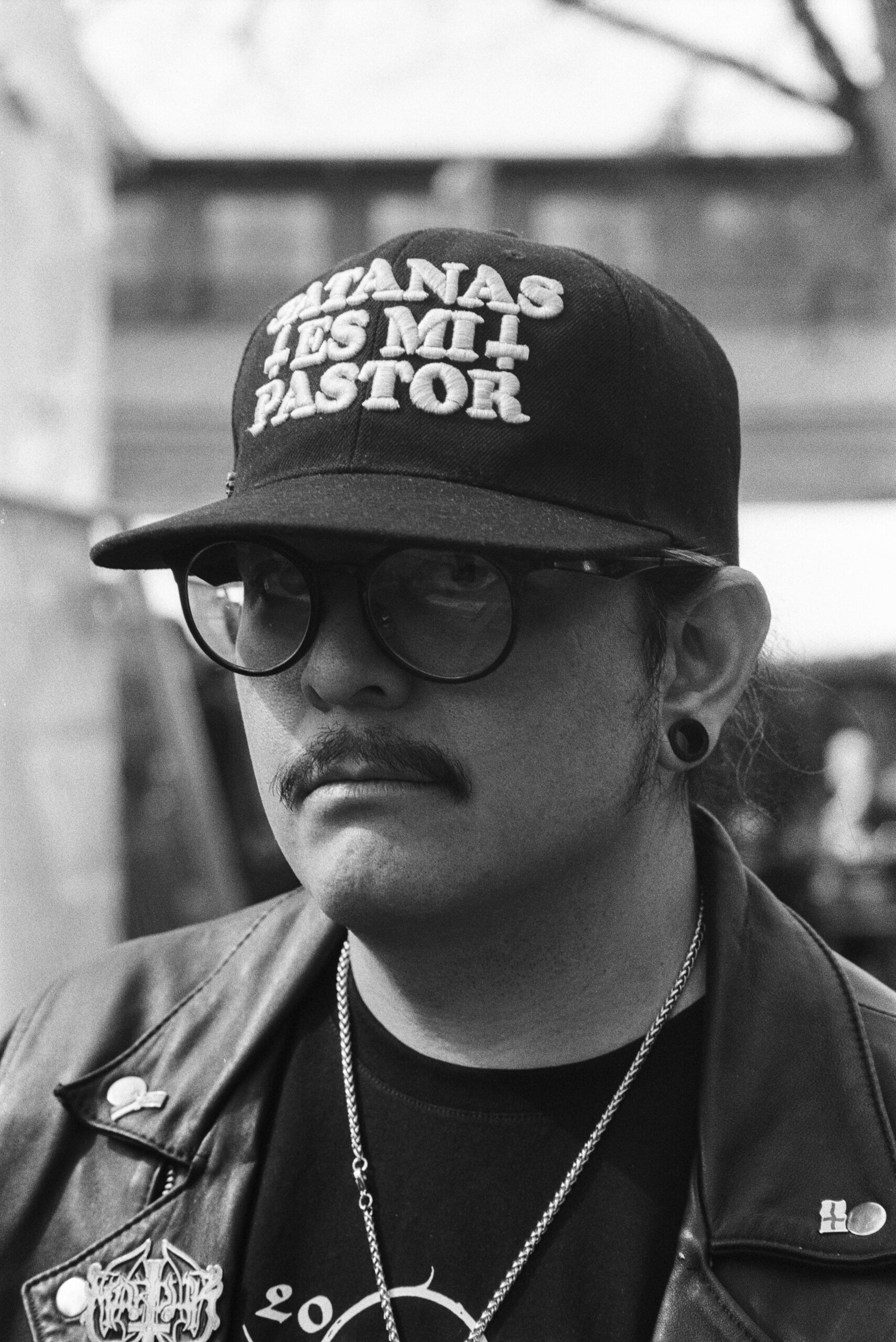
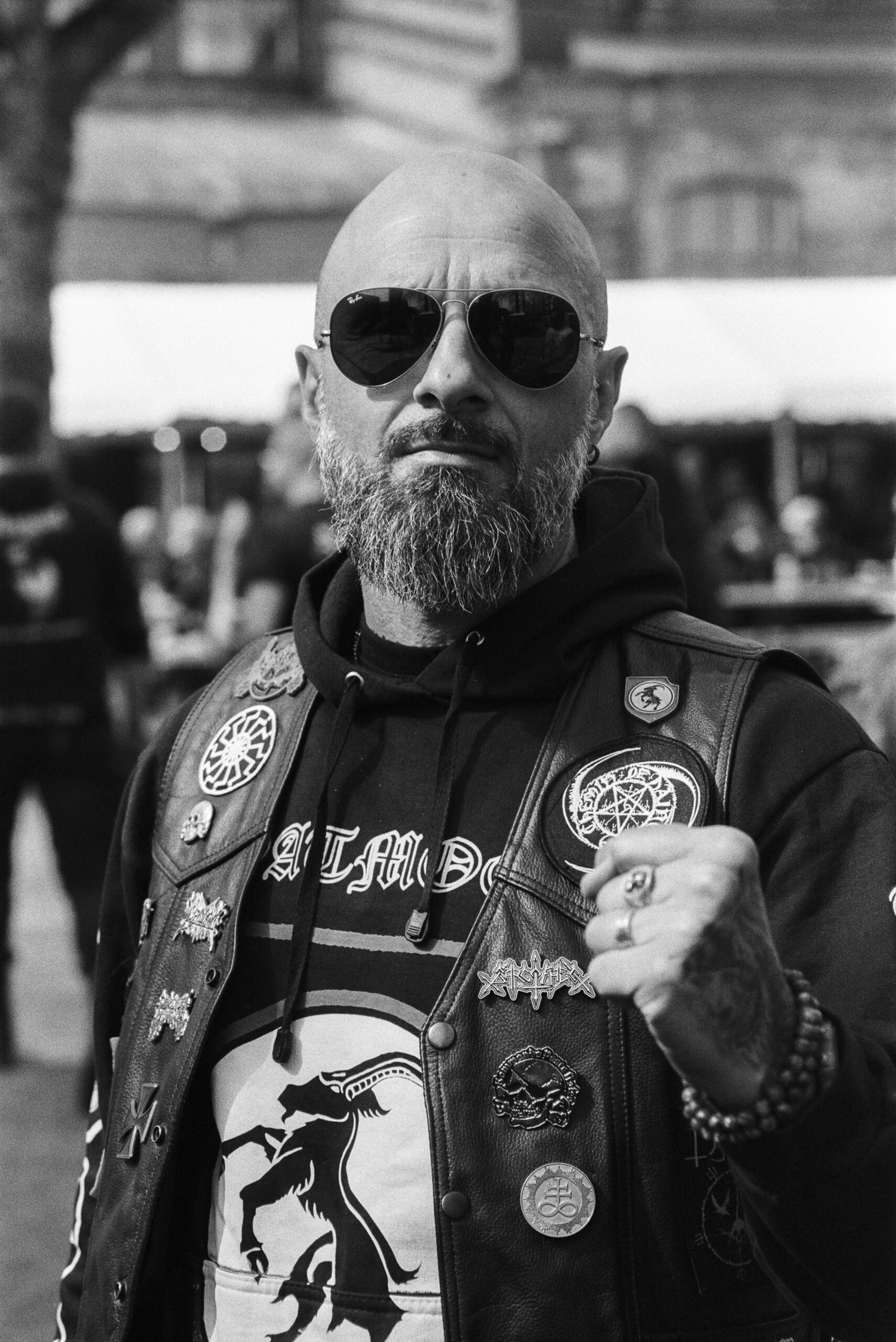
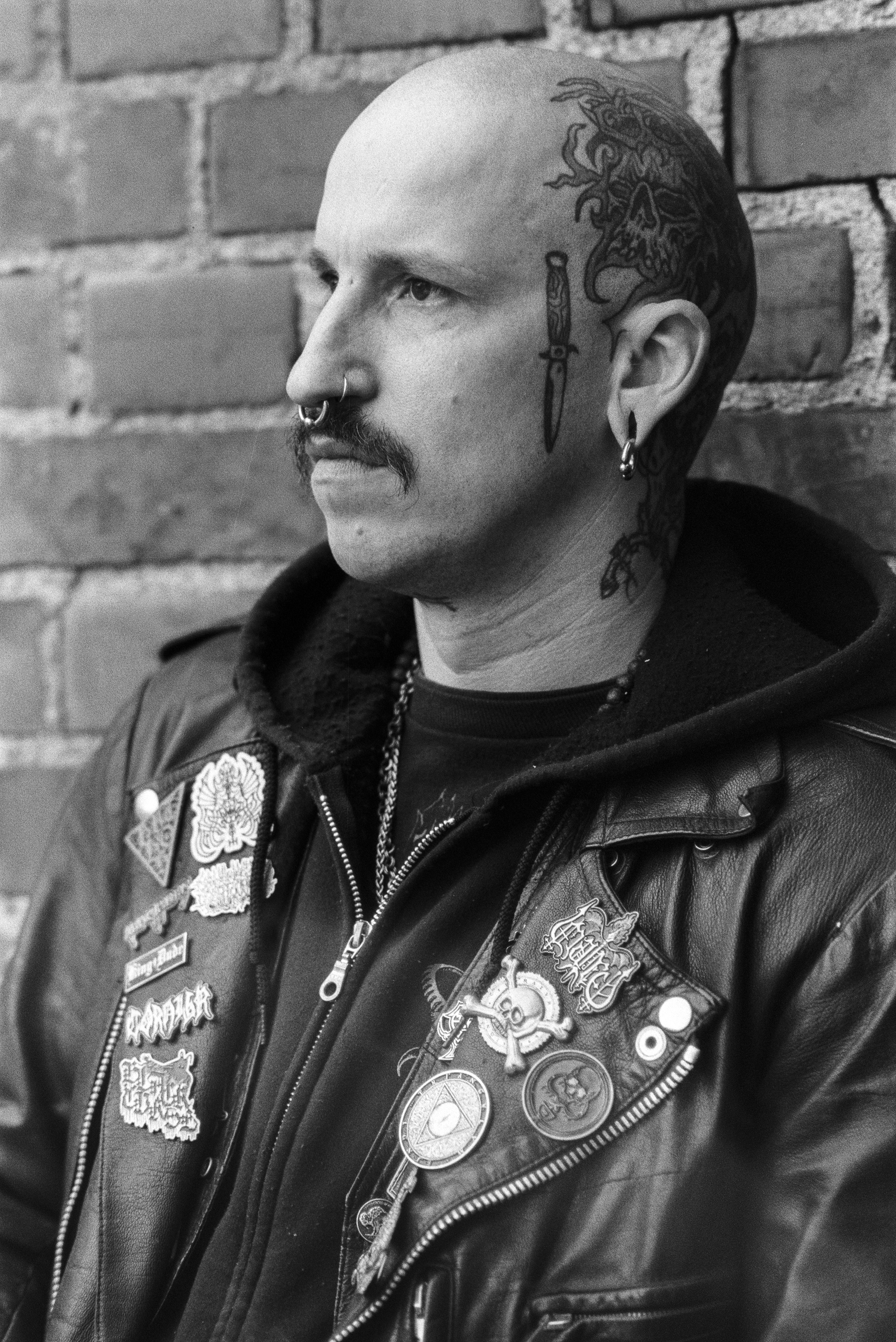
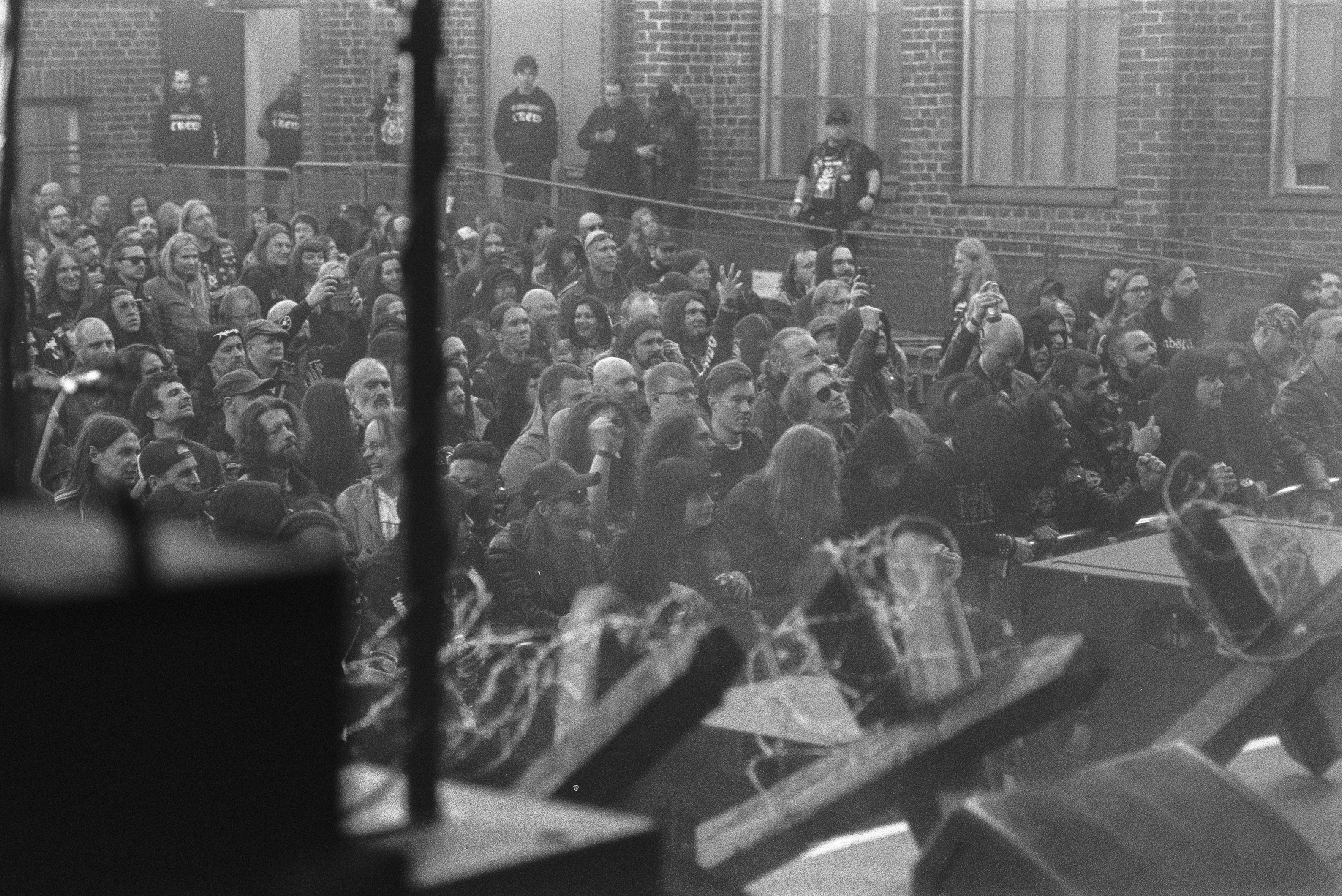
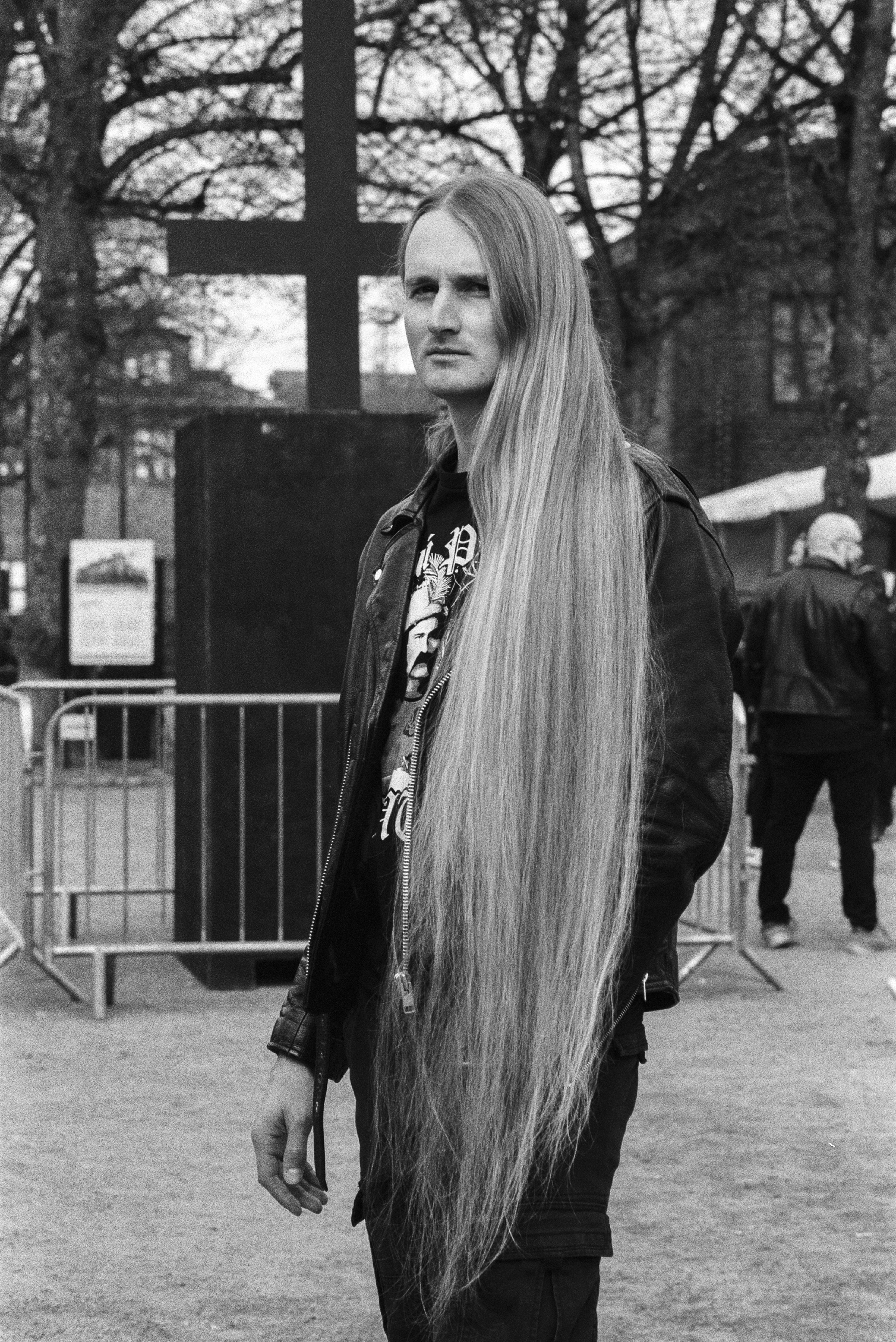
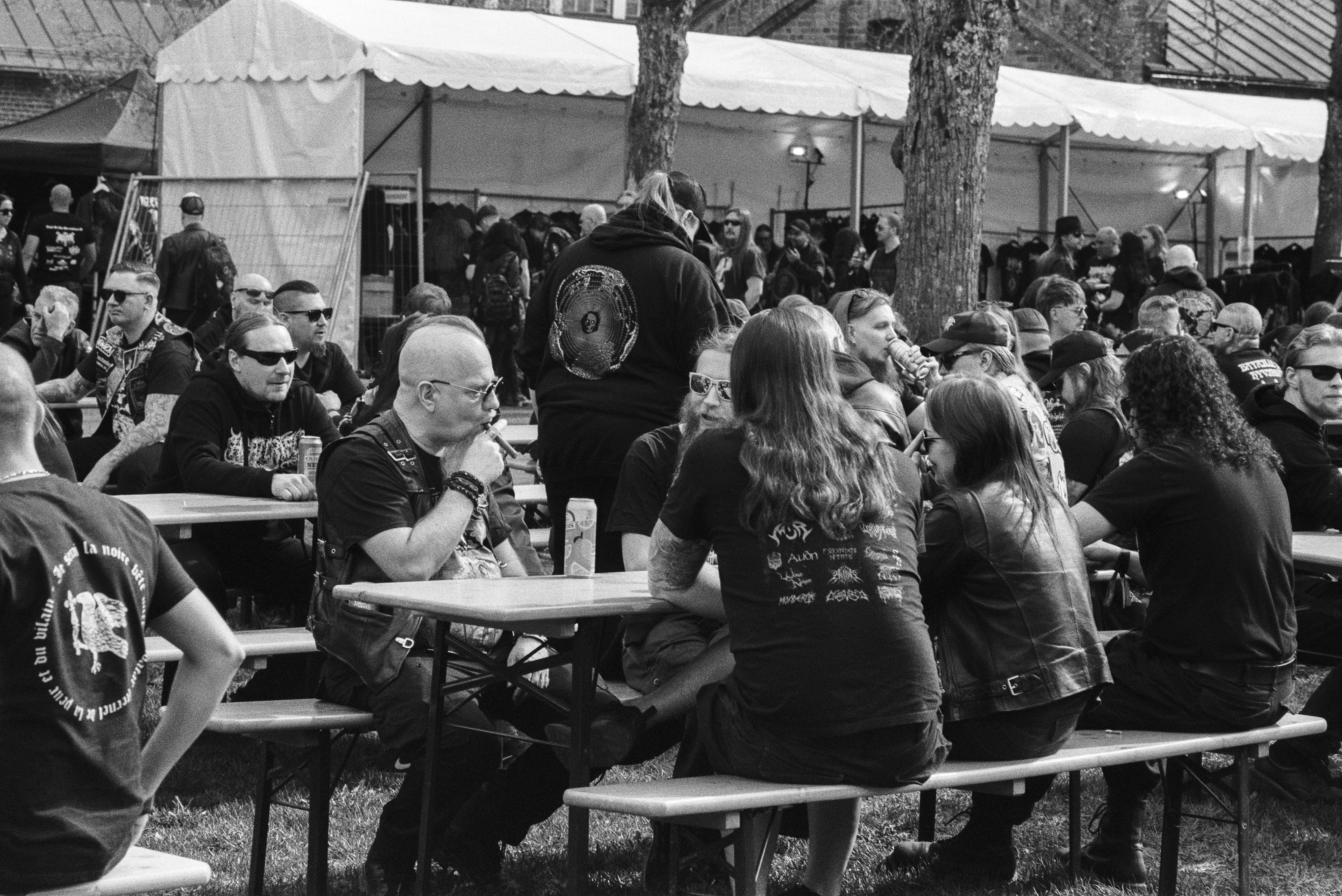
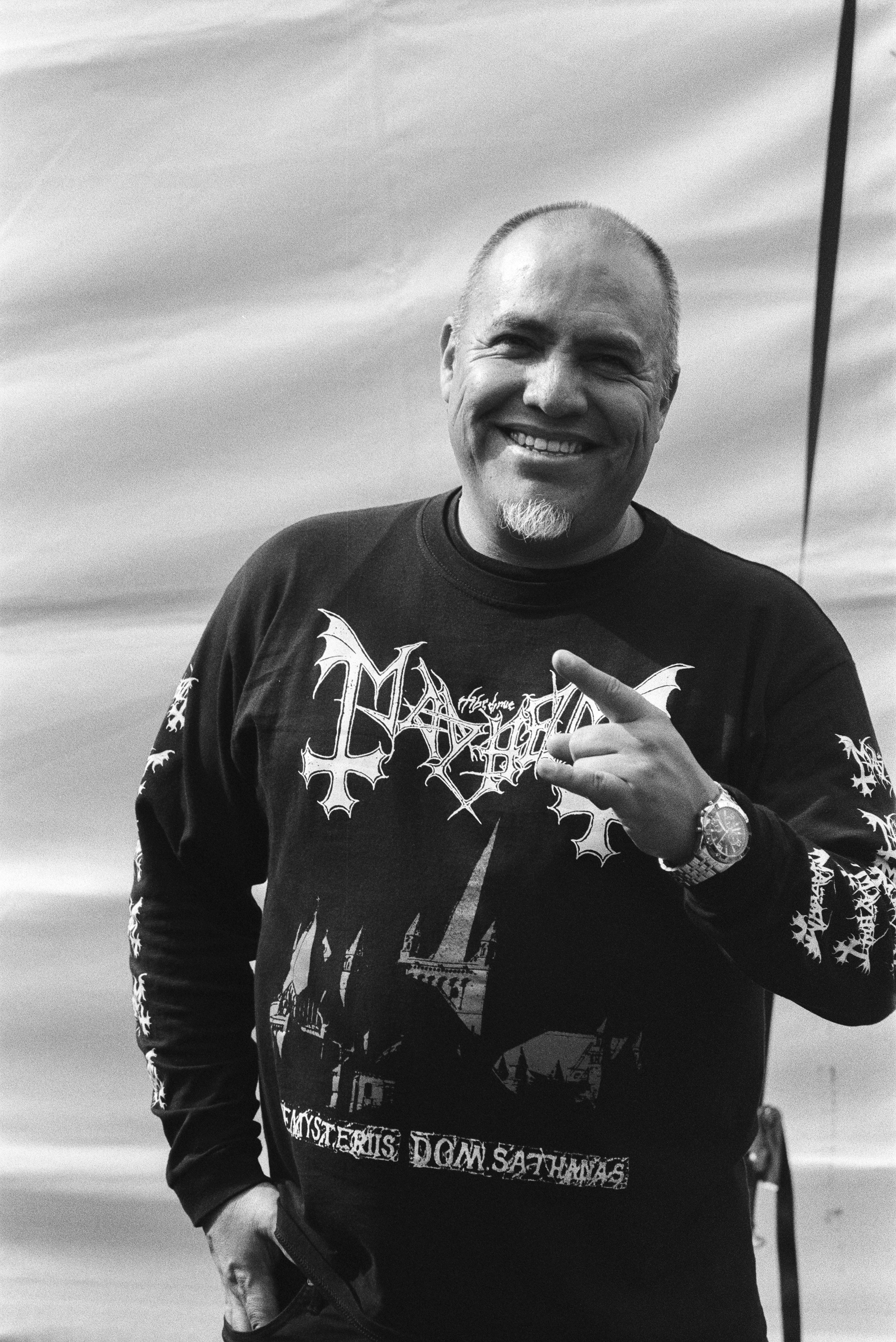
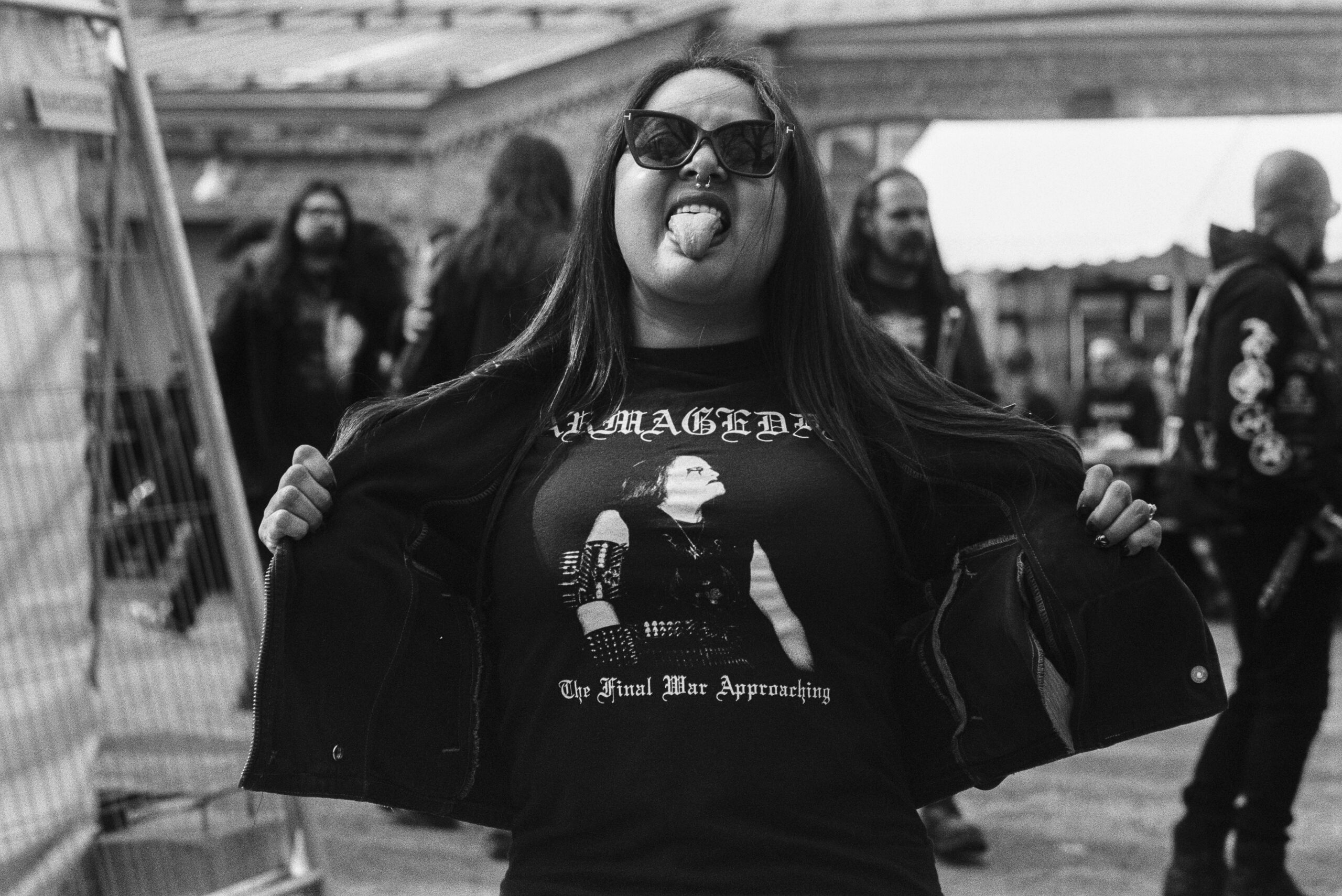
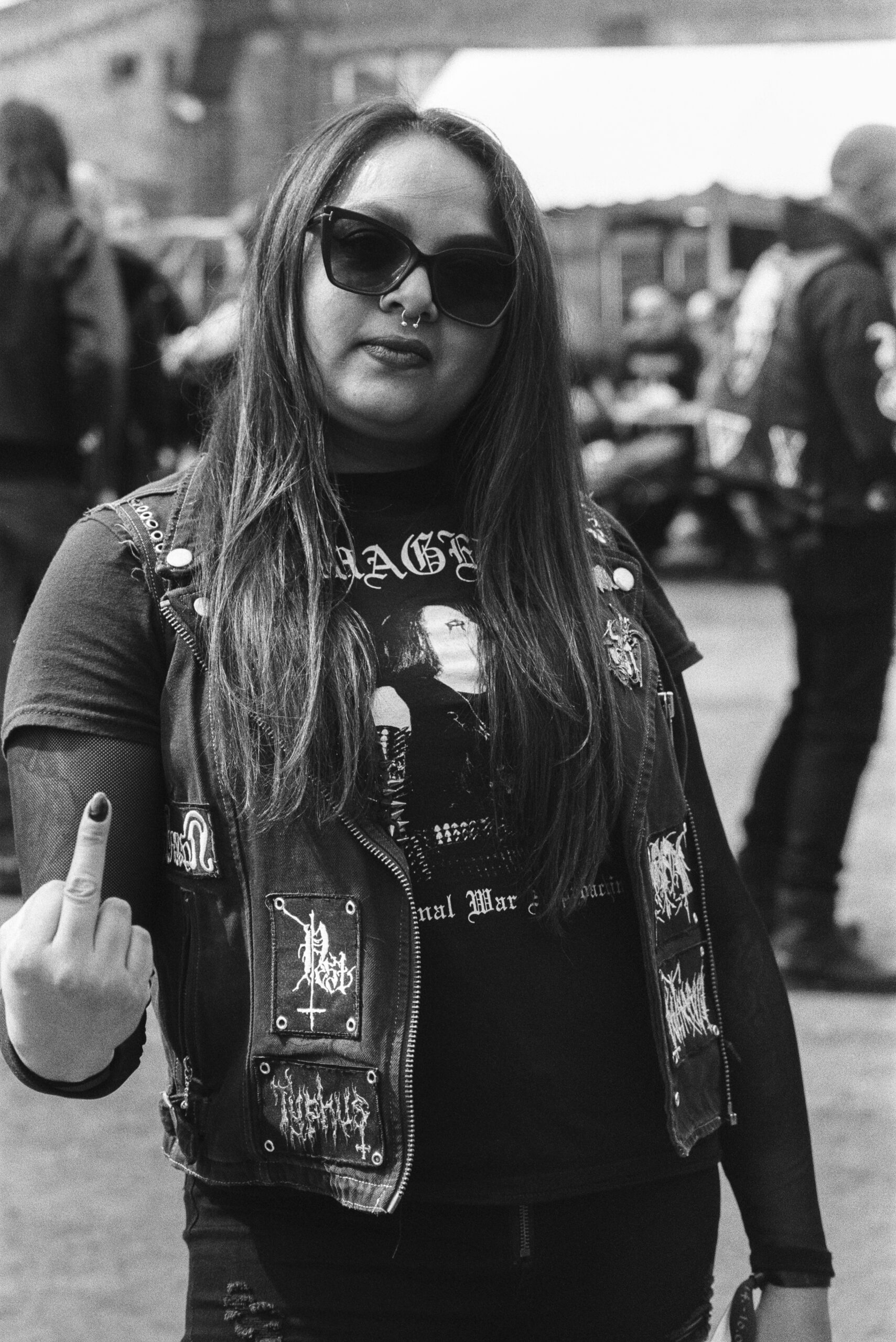
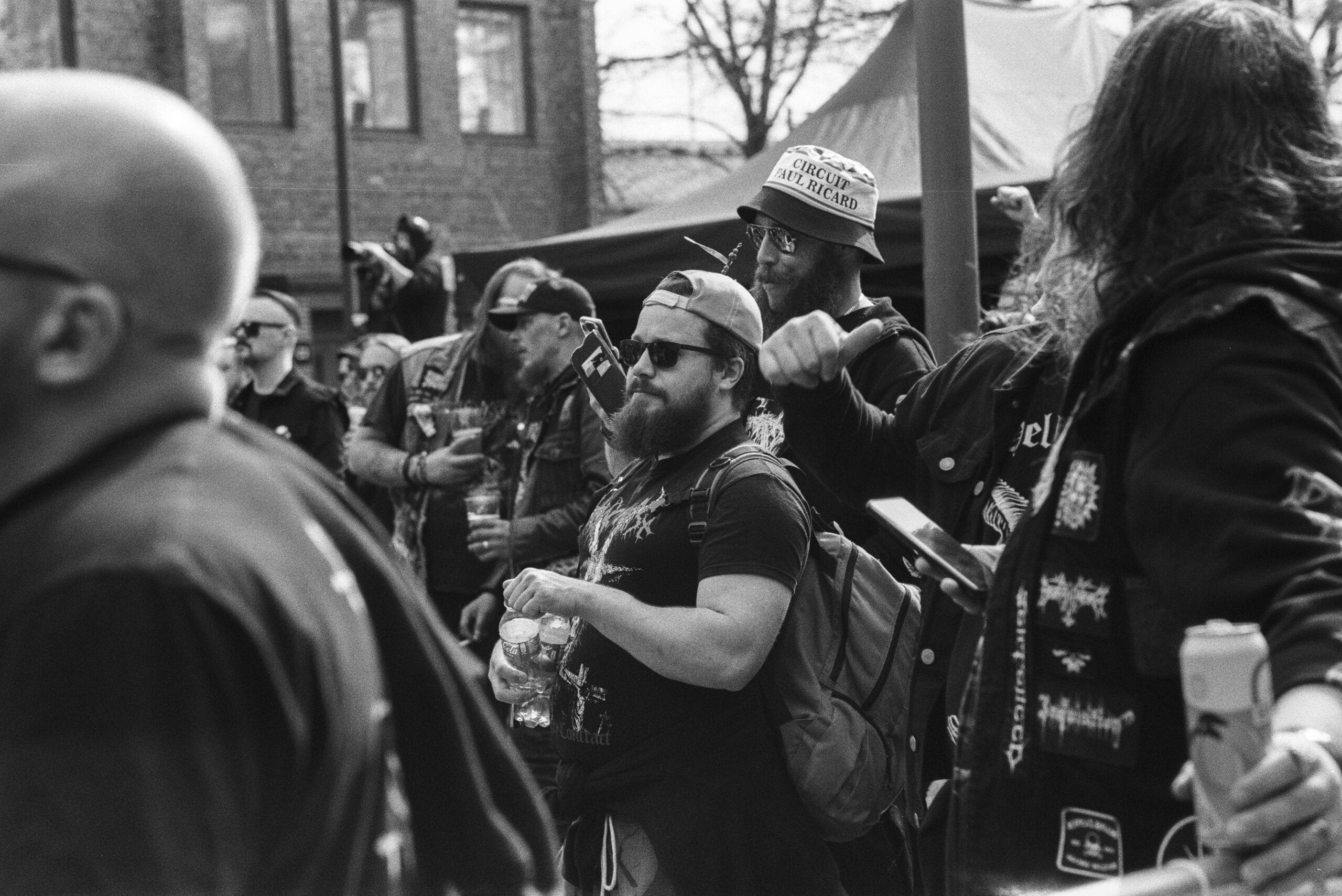
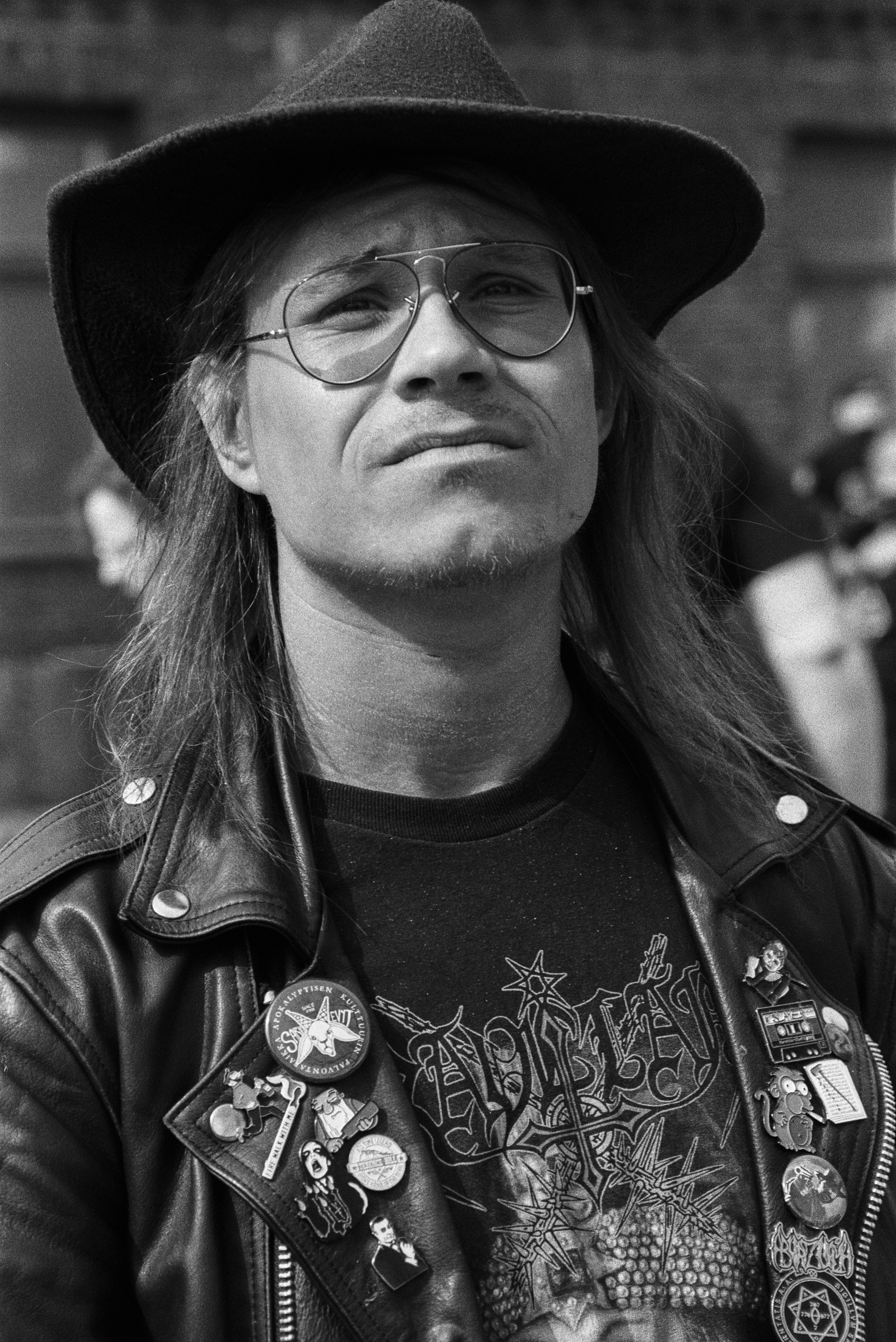
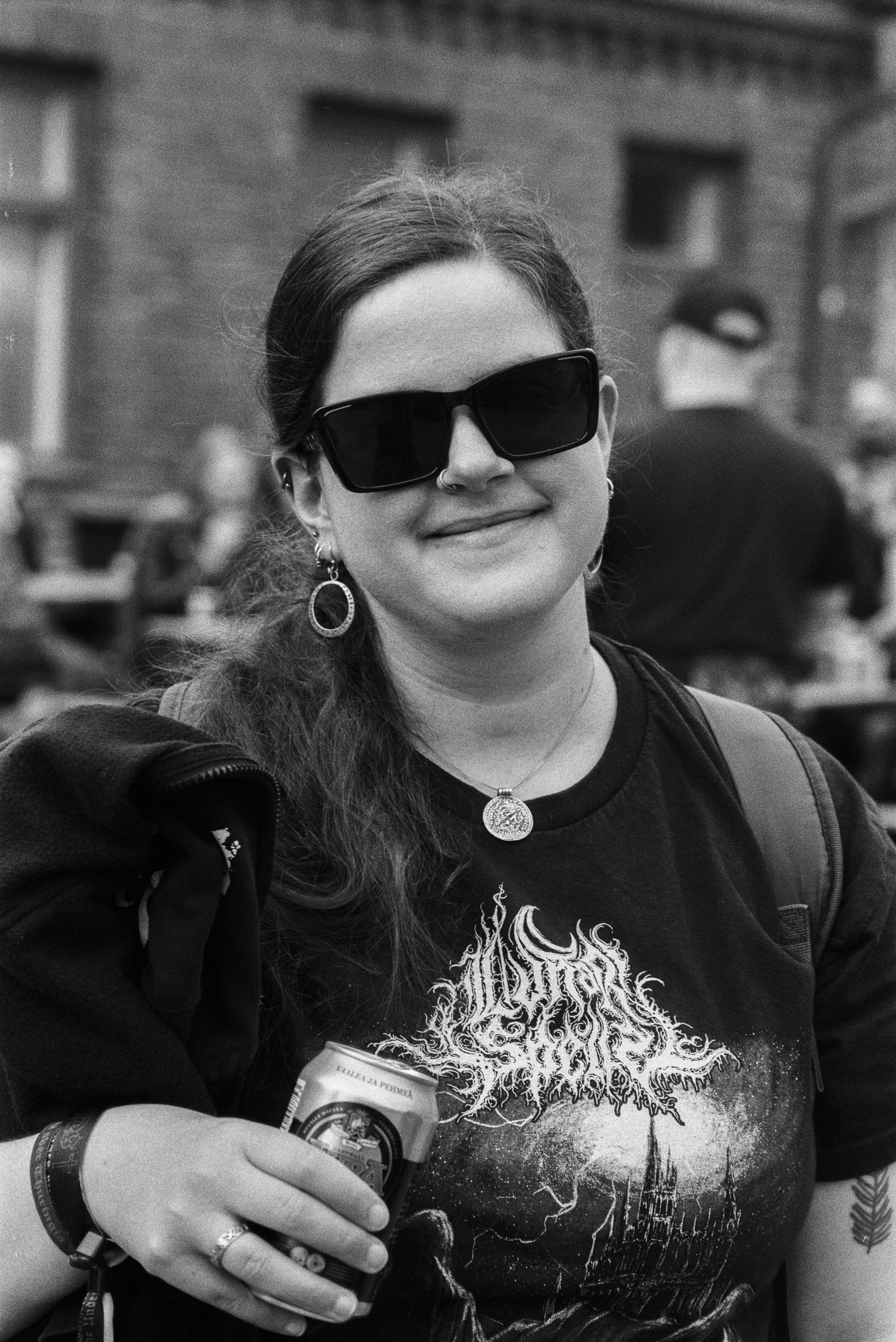
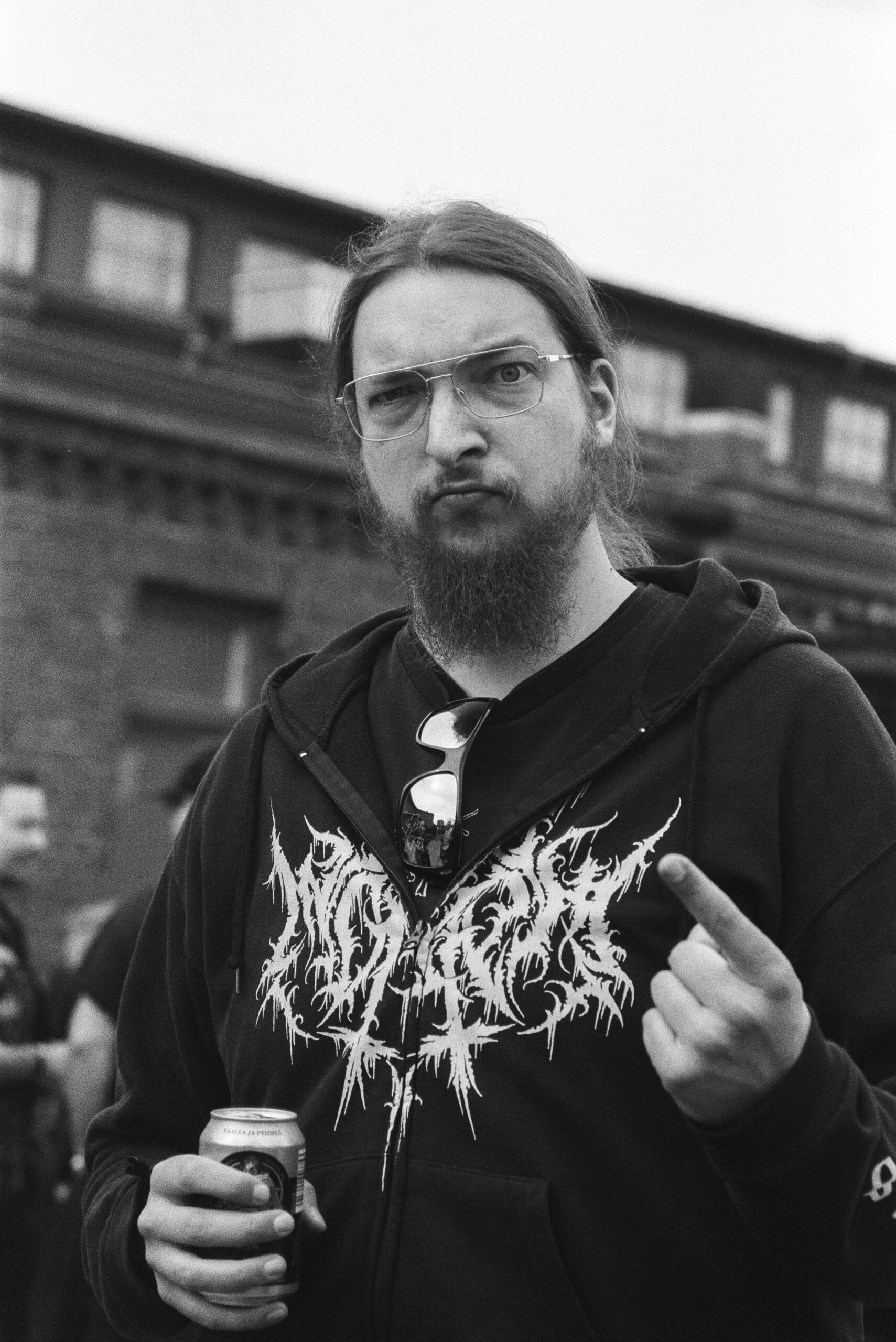
That doesn’t interest me much anymore. What interests me is everything happening around the festival rather than just on stage. The people. People who over the years made what the festival is today. Some of the friendships I’ve made at Steelfest are approaching a decade in age. Every year, we return to the same corner of Finland and pick up exactly where we left off, as if no time had passed at all.
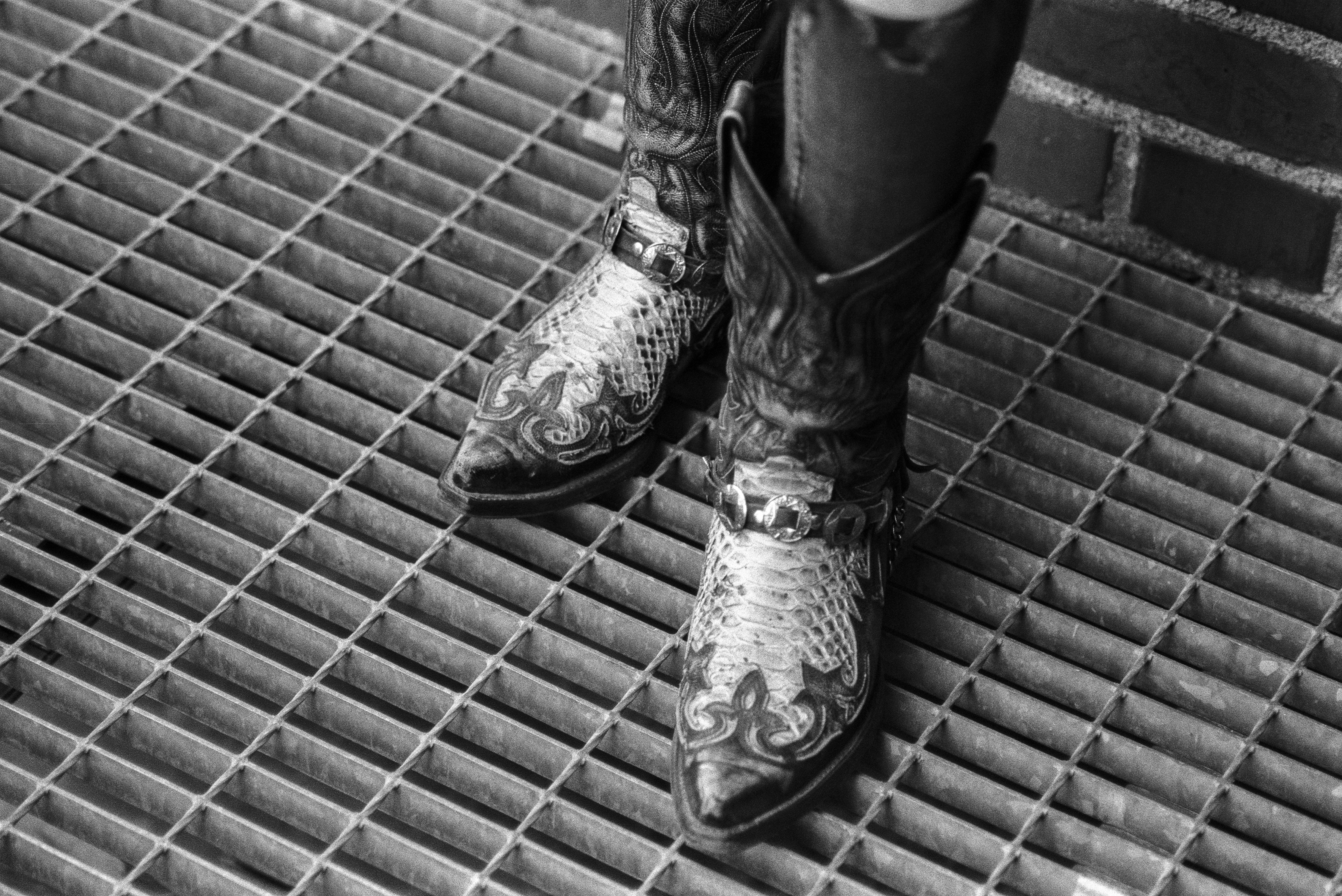
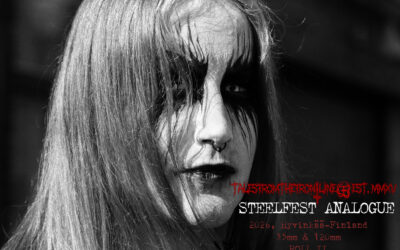
So this year I tried to focus a little more on that side of Steelfest: the people who actually give the festival its character, with a street photography-documentalist approach.
Now lets talk photography, as for the gear I used this year and jumping purely into photo nerd territory, so feel free to skip it entirely. I brought two analogue cameras with me. The first one I’ll talk about is the Olympus OM-2n, manufactured in 1979. This time, I loaded it with Kodak Eastman 5222 35mm film, better known as Kodak Double-X, or simply Kodak XX. If you love black & white photography with a timeless, cinematic look, Kodak Double-X is the go-to. Originally designed for motion picture cameras, giving it a unique grain structure and tonal range this classic stock has been used in some of Hollywood’s most iconic films: from Kill Bill’s black and white scenes to Scorsese’s cult piece Raging Bull with De Niro as Jake LaMotta and maybe the most notorious one Schindler’s List.
The origins of Kodak Double-X can be traced back to Kodak’s Super-XX film, an ISO 200 black and white stock introduced during the early years of World War II. At the time, it represented one of the fastest photographic emulsions available and remained Kodak’s flagship high-speed black and white film for more than a decade, until the arrival of Tri-X in 1954. Once Tri-X took over as Kodak’s premier black and white film, Super-XX gradually disappeared from roll-film formats and survived only as a sheet film before eventually being retired altogether in the early 1990s.
Meanwhile, Kodak’s motion picture division continued refining the original emulsion, working to improve image quality and reduce the pronounced grain structure that characterized the early versions. The result was Kodak Double-X 5222, introduced in 1959 and pretty much, and prety much has been unchanged since. While Kodak recommends it to use it on Daylight 200 ISO or Tungsten 250 ISO, is a high film latitude that can be used on anything from 100 to 1600 and still get great results with a nice tonal range and that vintage black and white look straight out of mid-century photojournalism. All photos have been processed with a Noritsu scanner keeping all settings neutral at Carmencita Film Lab in Madrid, Spain.

0 Comments